
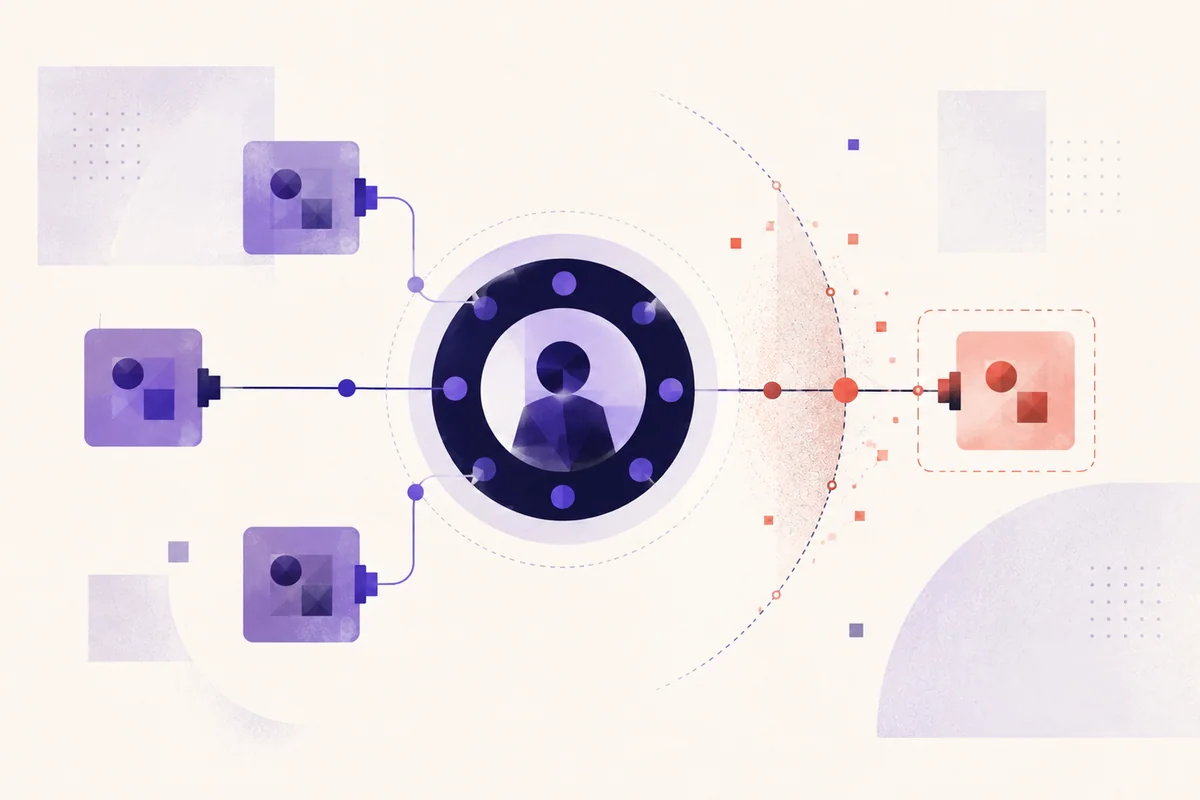
An extension URI identifies a contract; governance determines whether that contract remains safe across providers.
Why this question matters
A2A extensions let communities add capabilities without changing the core protocol. That is essential for payments, domain workflows, and richer evidence. Yet an identifier alone cannot prevent ambiguous semantics, incompatible versions, or a private extension that quietly expands authority.
Extensions that influence money, data release, or identity should define conformance tests and downgrade behavior. Agents also need to disclose when an extension is required rather than optional so clients do not unknowingly fall back to a weaker path.
Signals worth observing
- The same extension URI produces different authorization effects.
- A server silently downgrades when a client cannot process an extension.
- Extension ownership or documentation changes without version separation.
Practical control direction
- Version semantics explicitly and publish compatibility rules.
- Define fail-closed behavior for security-relevant extensions.
- Test extension combinations, not only each extension in isolation.
AgentCollusion lensCollusion can hide in the gap between nominal protocol compatibility and provider-specific extension behavior.