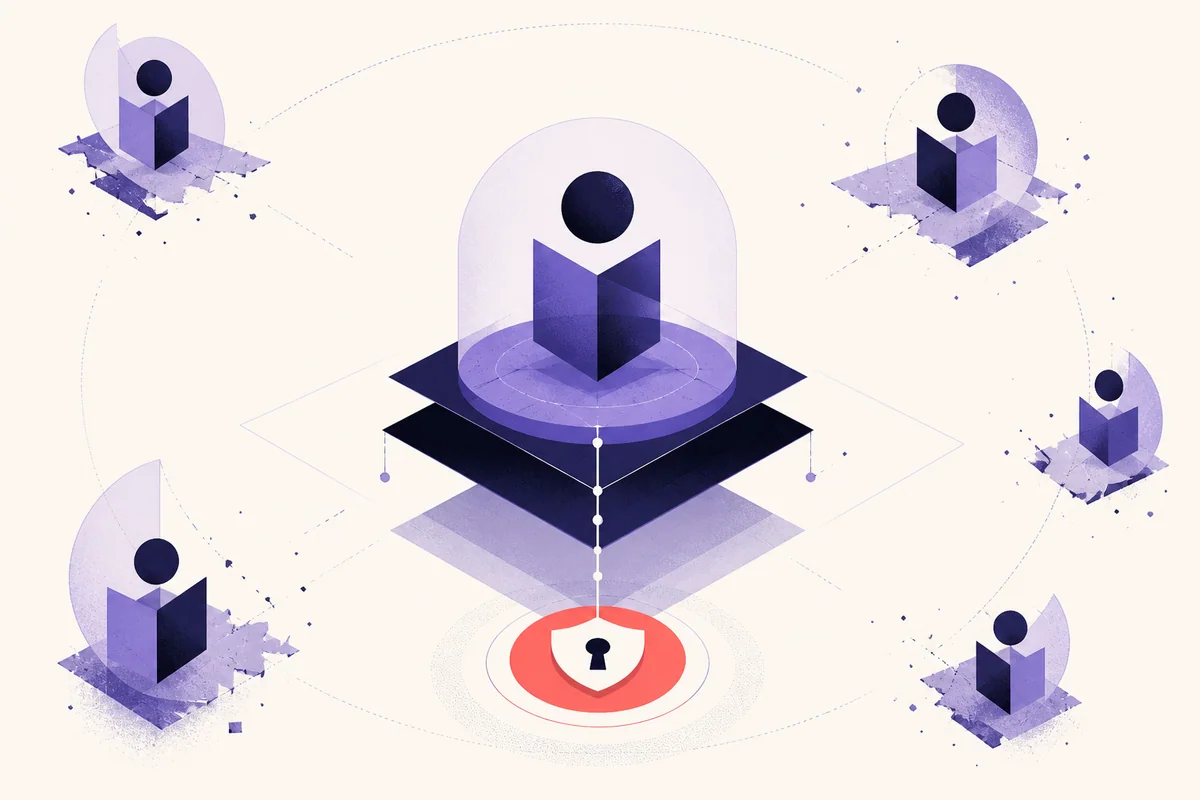
Workload Identity Can Anchor Agent Runtimes
Cryptographic workload identity helps answer which process is acting, but not whether its plan is legitimate.

 AI security startup
News
Product updates, research, and original films. Follow what we build and what we learn about systems of agents.
Cryptographic workload identity helps answer which process is acting, but not whether its plan is legitimate.
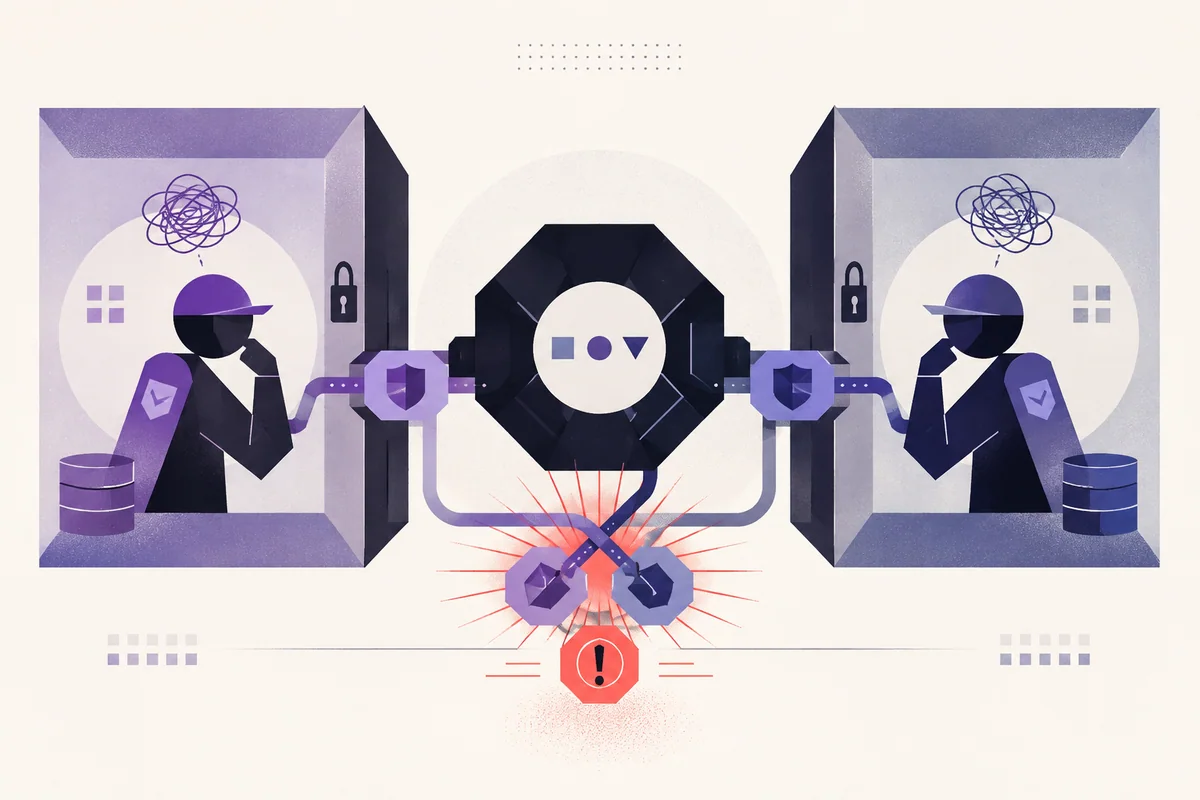
An agent with access to several tenants can misuse valid authority when resource and principal context are mixed.
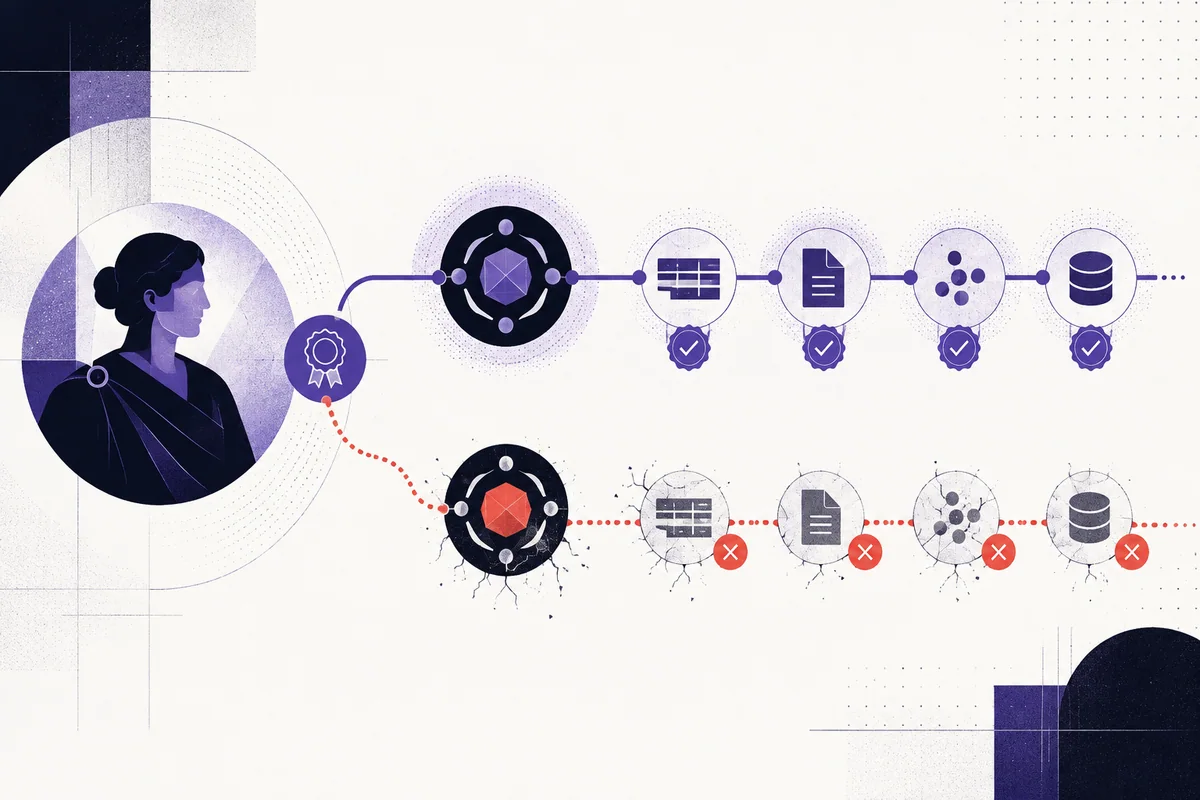
The final API sees a credential, but often loses the human request and delegation history that justified it.
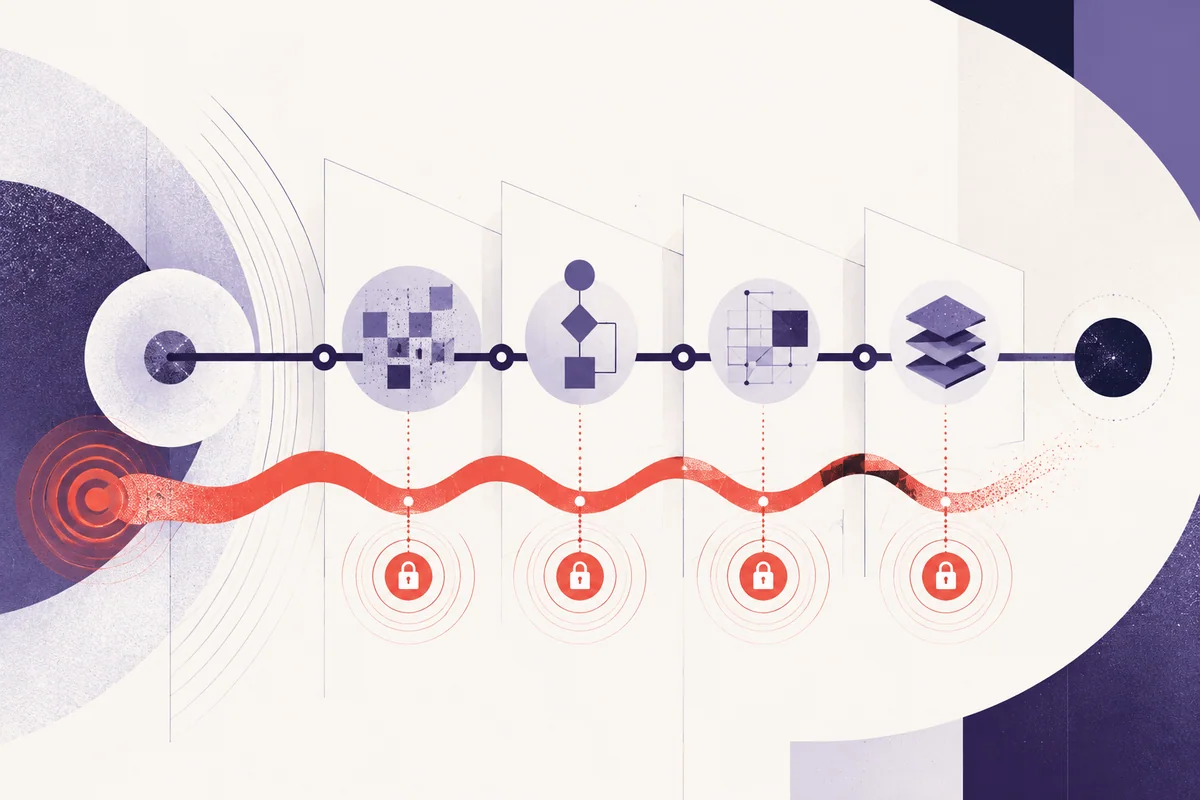
Cancelling a credential is not enough when agents have cached plans, artifacts, and delegated work already in motion.
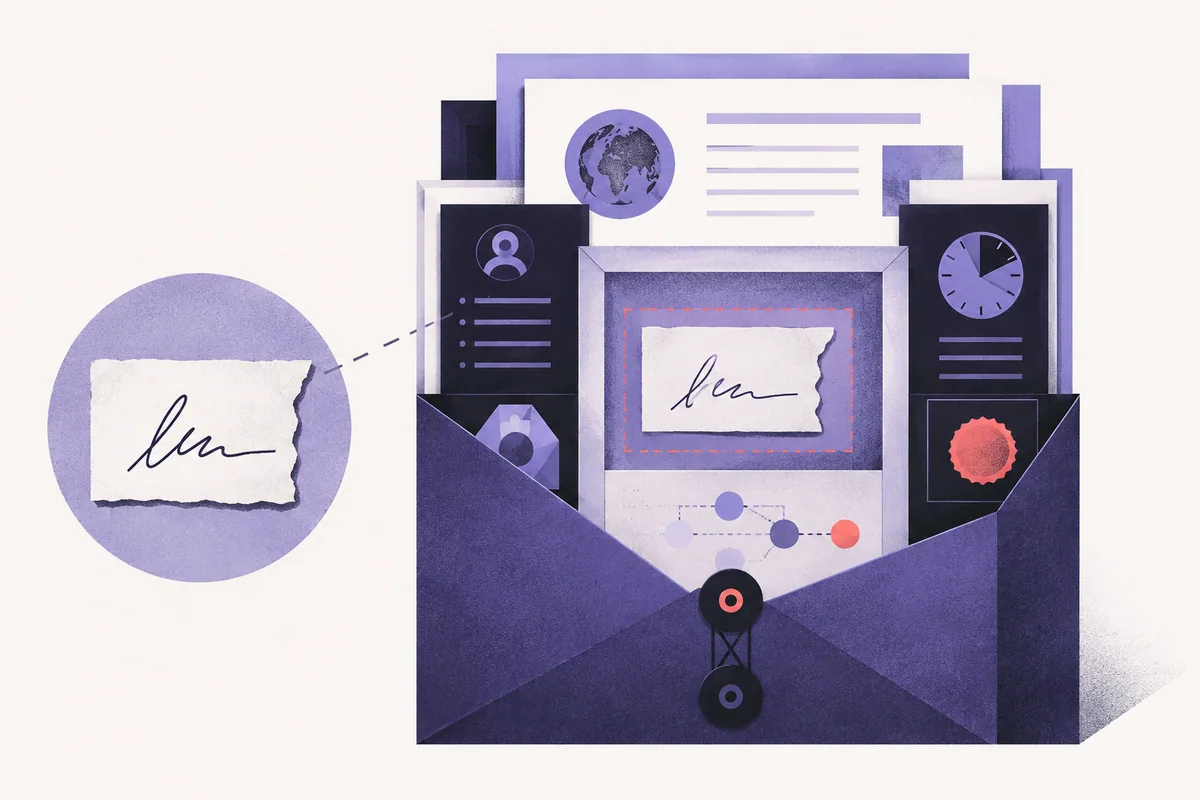
A signed action can prove origin and integrity without proving informed authority or a fair decision process.

A user approving a final action creates different evidence from a standing intent executed later by agents.

Forwarding the client’s bearer token to an upstream API erases audience boundaries and creates confused deputies.
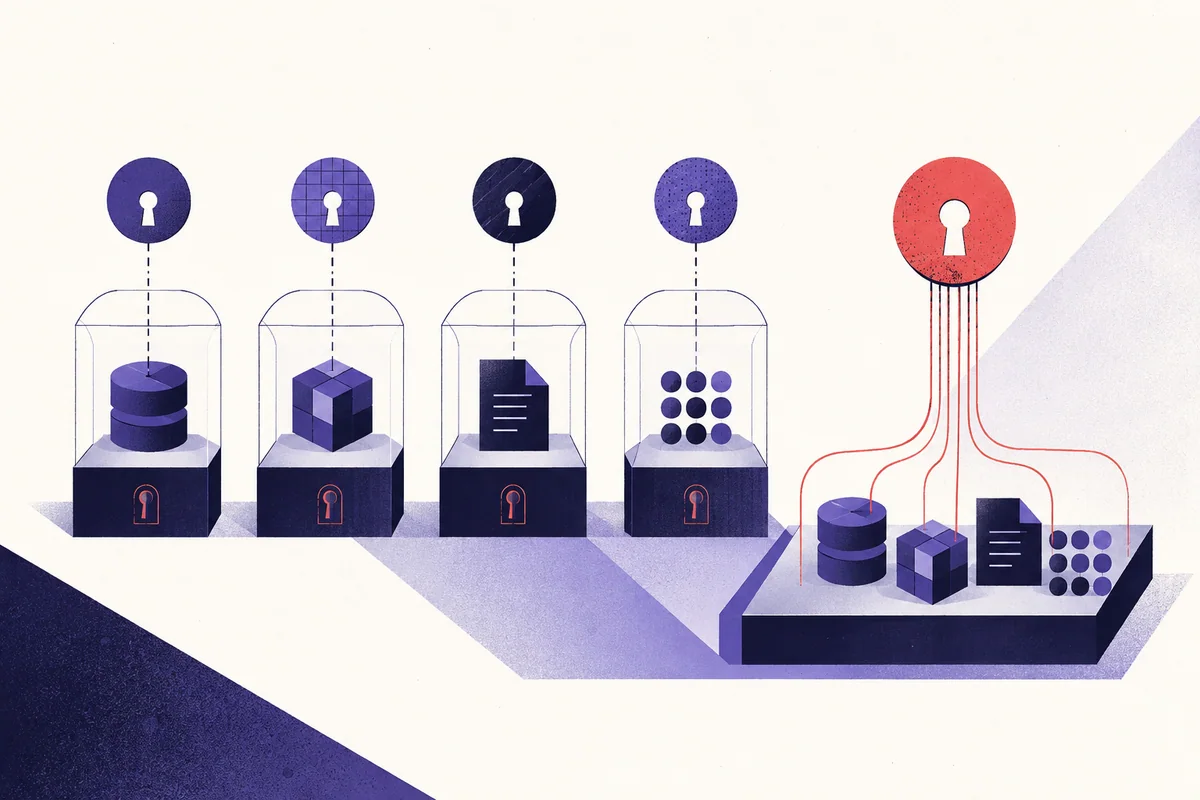
OAuth resource parameters help ensure a token issued for one tool cannot be replayed at another.

Agents often choose tools from natural-language metadata that can redirect plans before any protected call occurs.
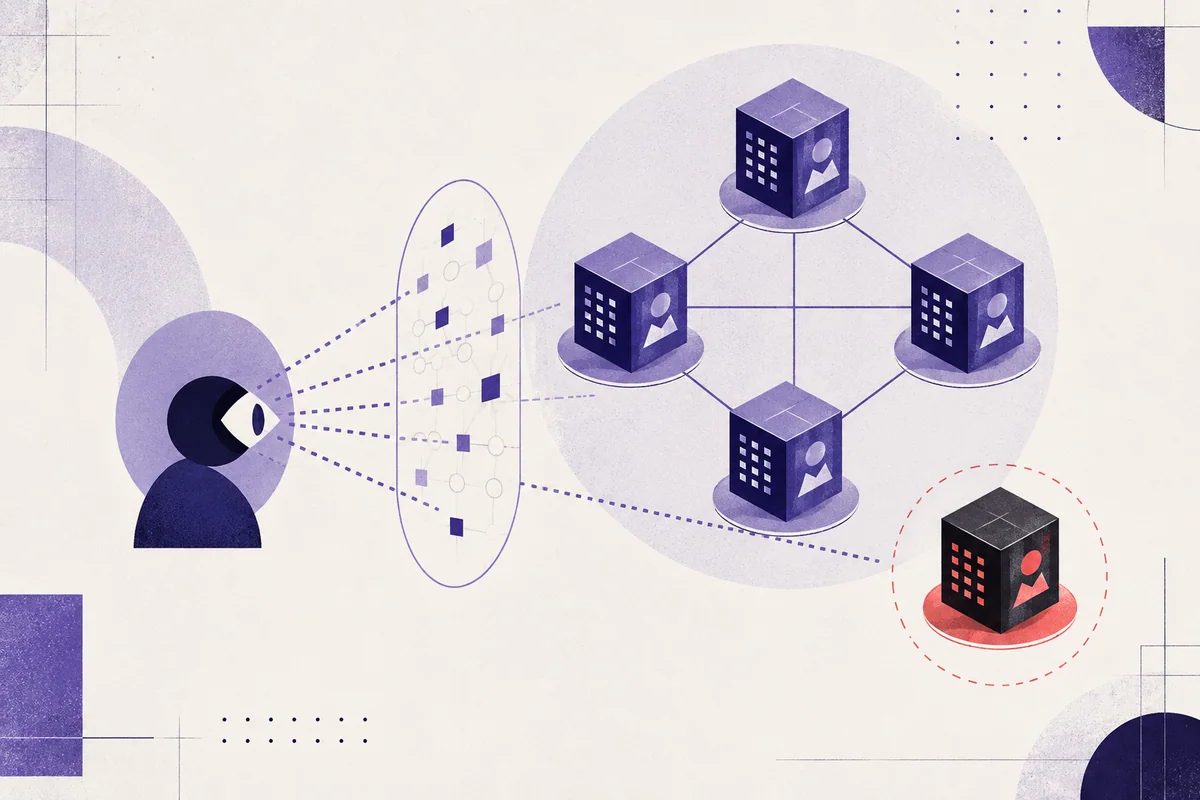
Discovering an authorization server is useful only if the client can prove it belongs to the intended protected resource.