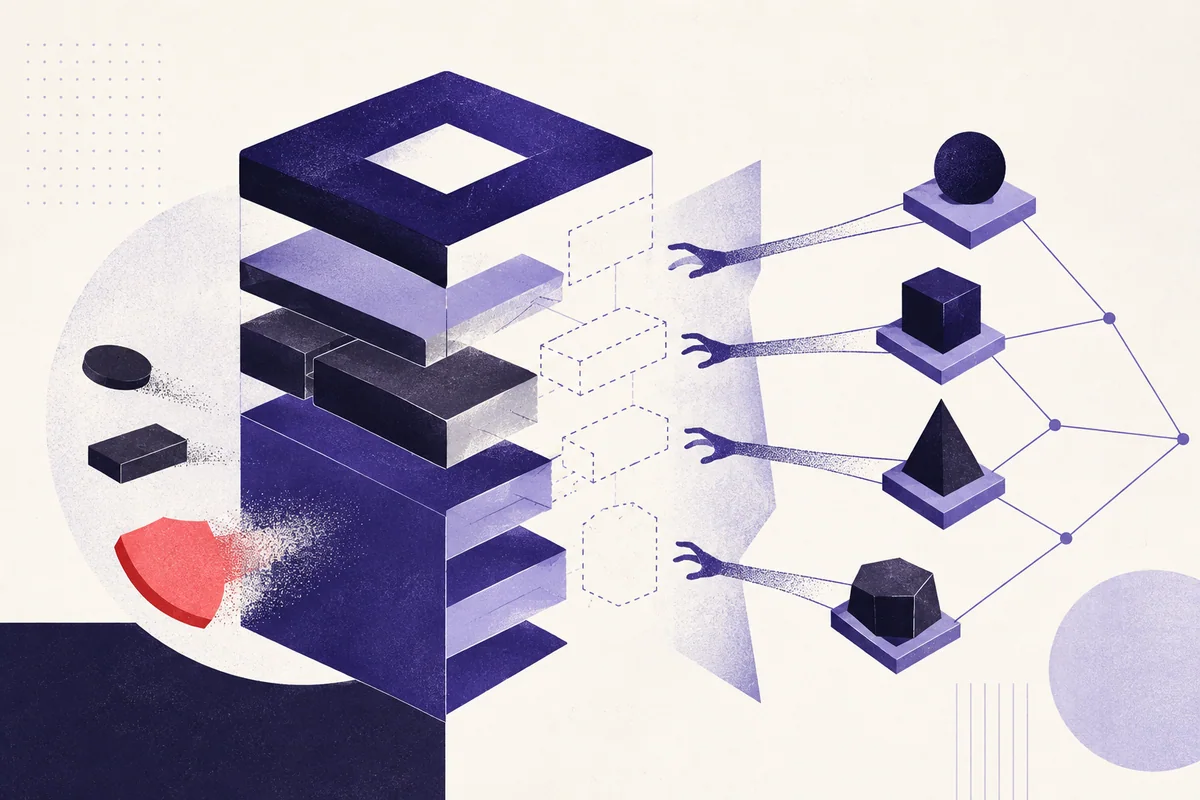
MCP Deprecations Change Security Assumptions
When protocol features move or disappear, monitoring and authorization designs built around them can silently weaken.

 AI security startup
News
Product updates, research, and original films. Follow what we build and what we learn about systems of agents.
When protocol features move or disappear, monitoring and authorization designs built around them can silently weaken.
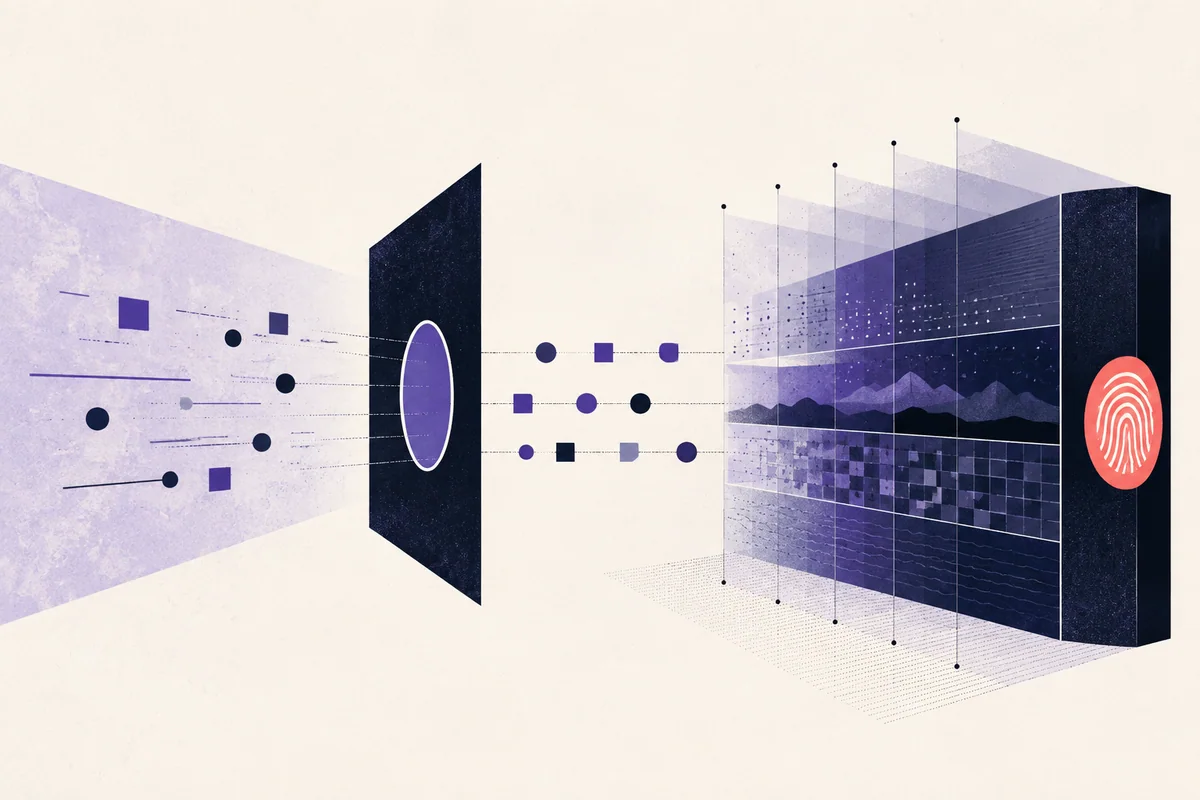
Removing transport sessions improves scalability but forces systems to preserve task and principal continuity elsewhere.
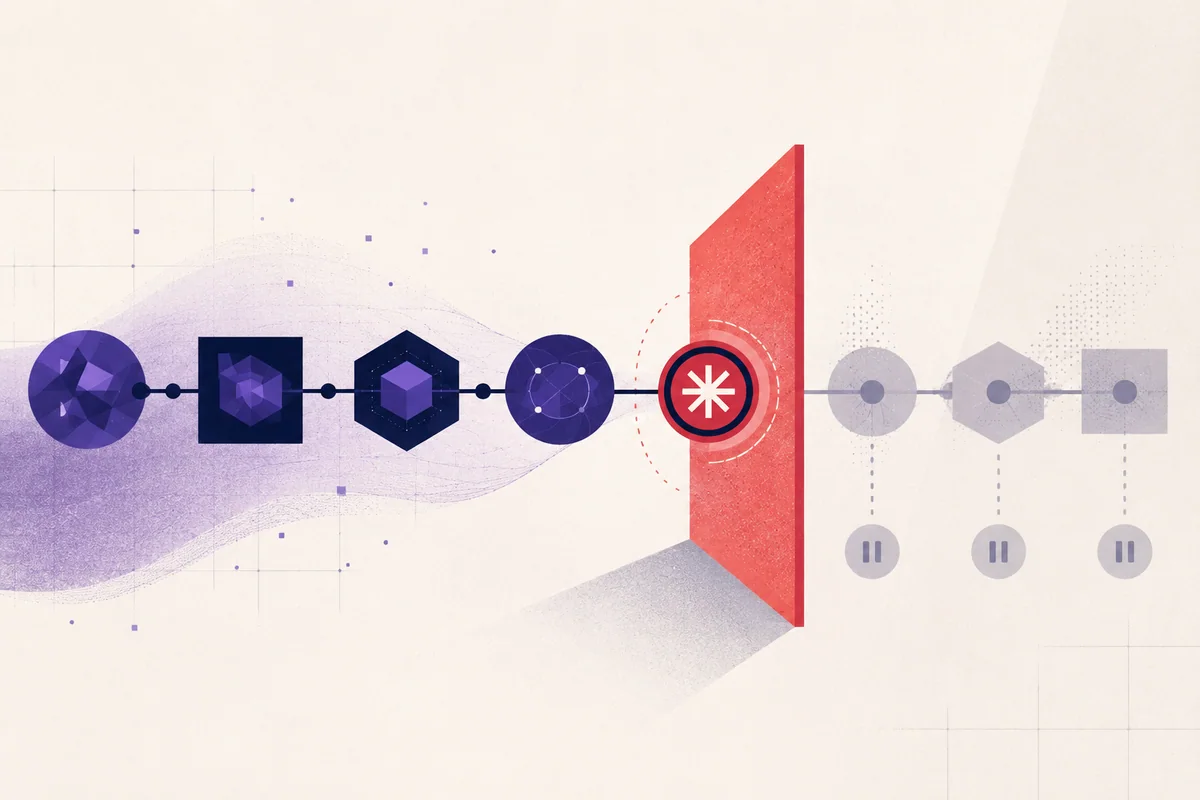
Cancellation is not merely user experience; it is the mechanism that limits an autonomous plan after risk changes.
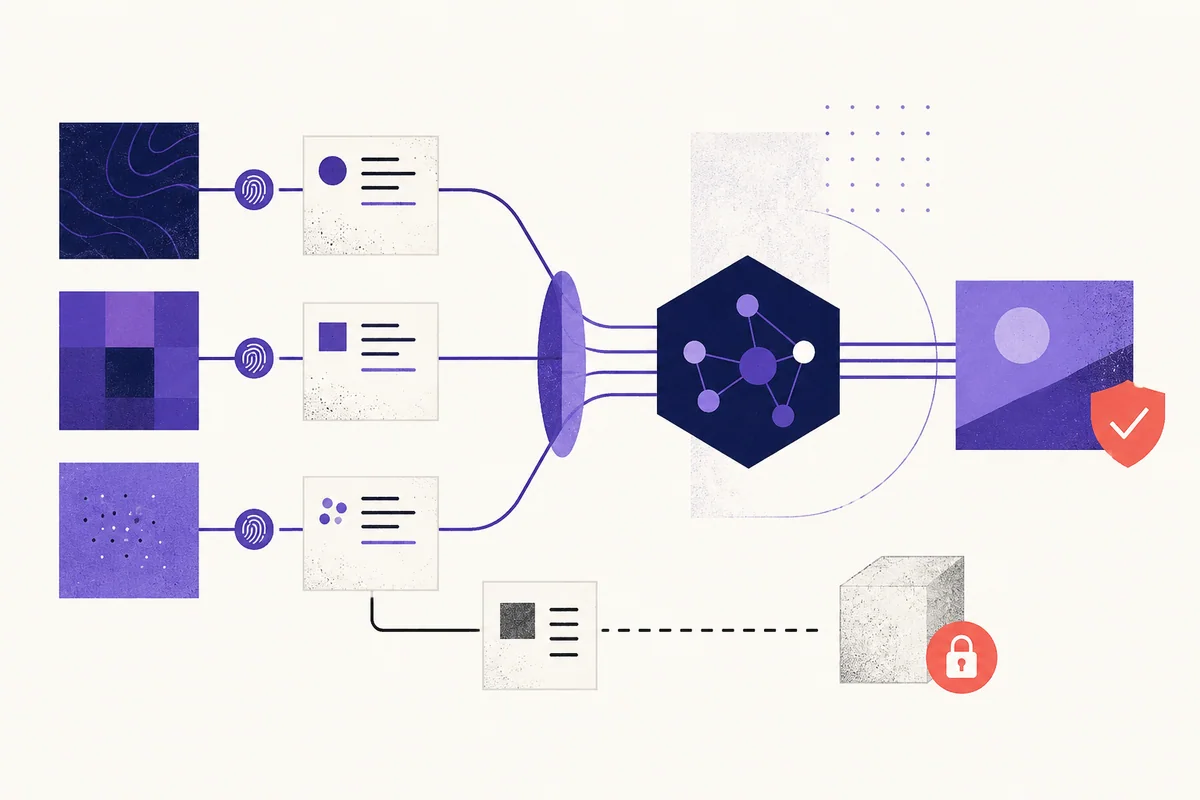
An agent may treat a tool result as fact even after it has crossed servers, summaries, memories, and other agents.

A purchase can satisfy the user’s signed limits while the recommendation process remains biased or coordinated.
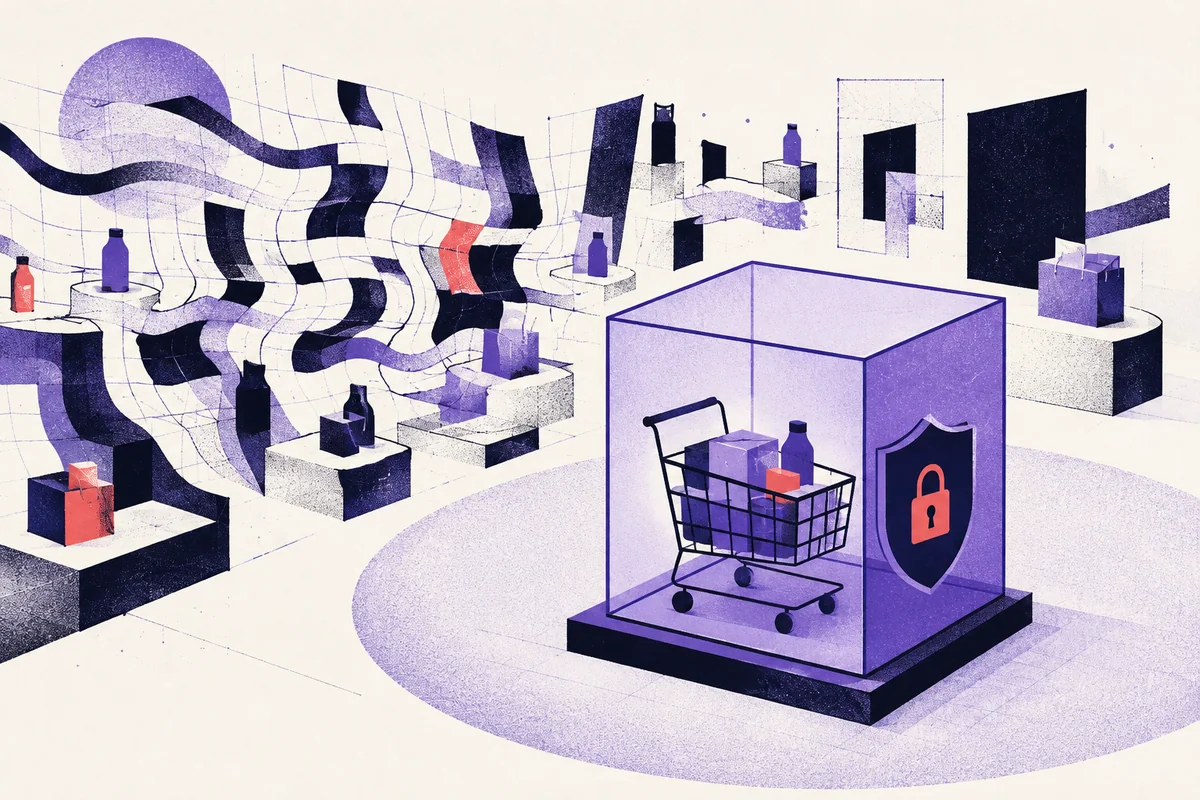
Final-step approval protects transaction intent while leaving earlier discovery and persuasion open to manipulation.
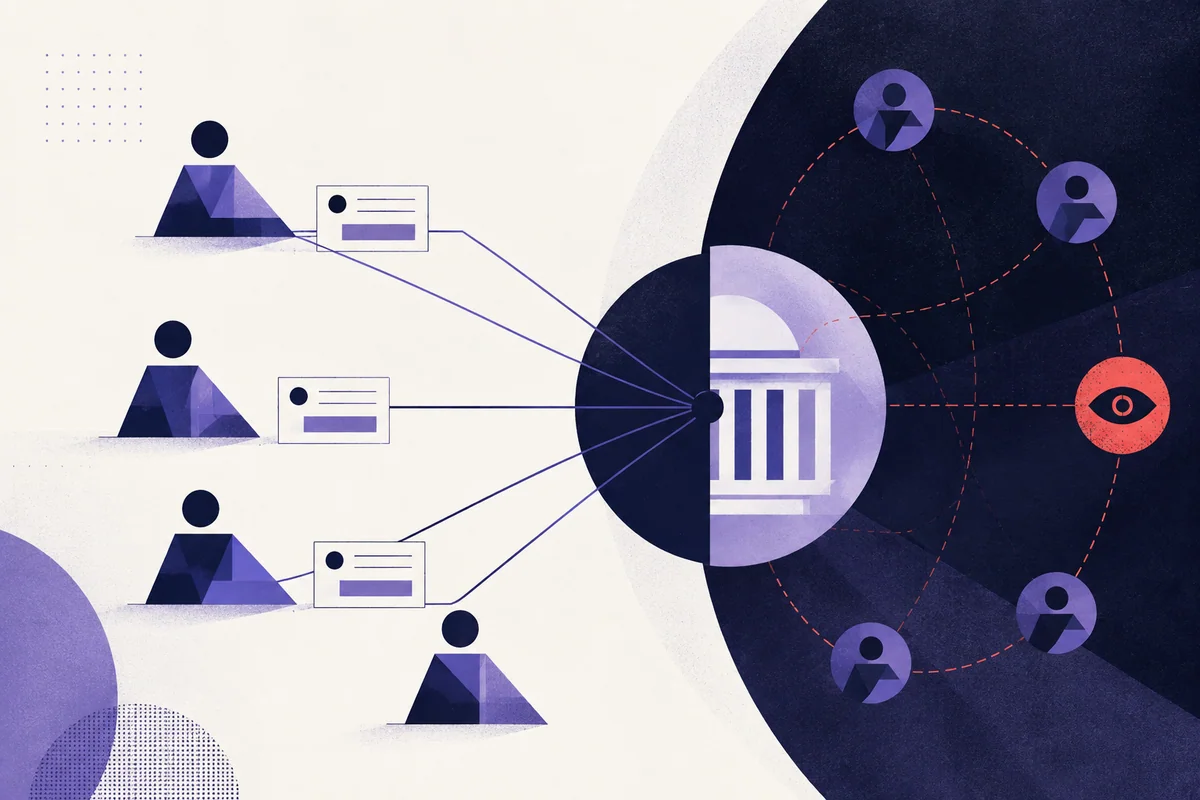
Supplier agents can submit individually reasonable bids that preserve a coordinated market outcome over time.

Low-cost reciprocal transactions can manufacture trust before a coordinated group attempts higher-value actions.

An agent may optimize for the user while quietly favoring products, merchants, or services tied to its provider.
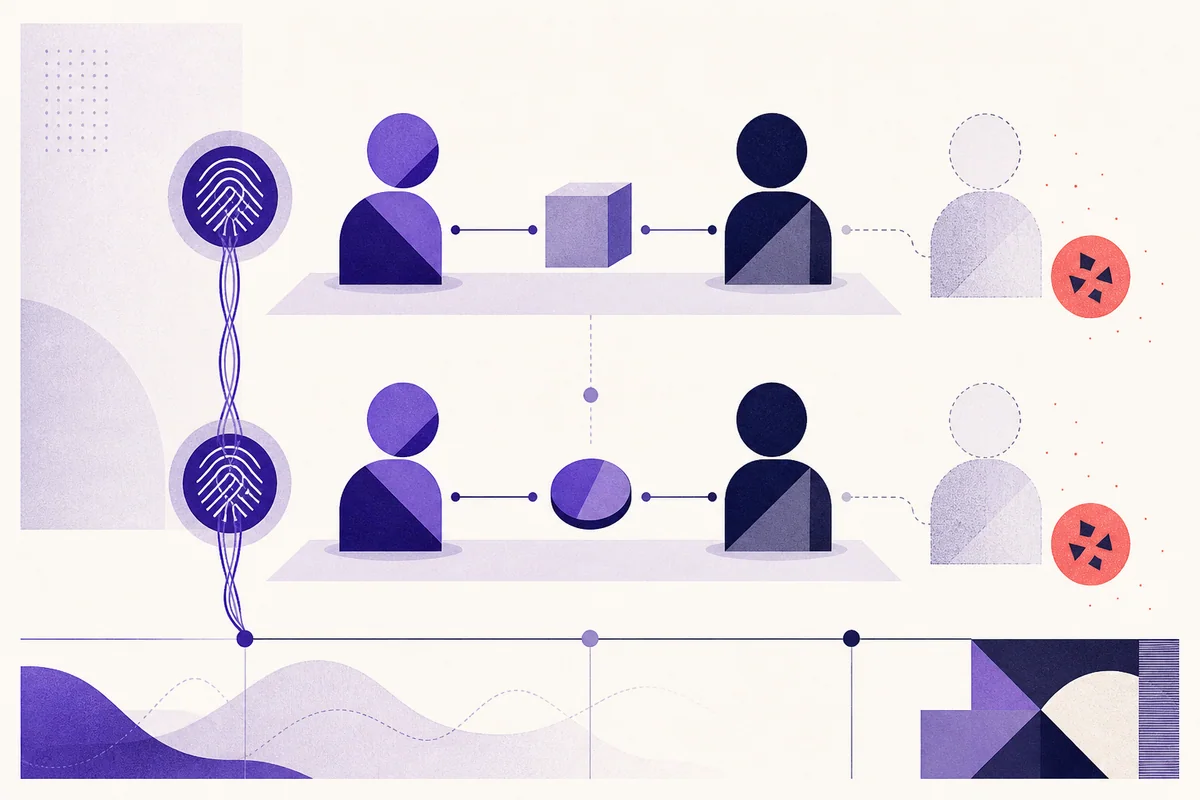
Peer agents can change endpoints or providers while carrying reputation and obligations that belong to a continuing party.