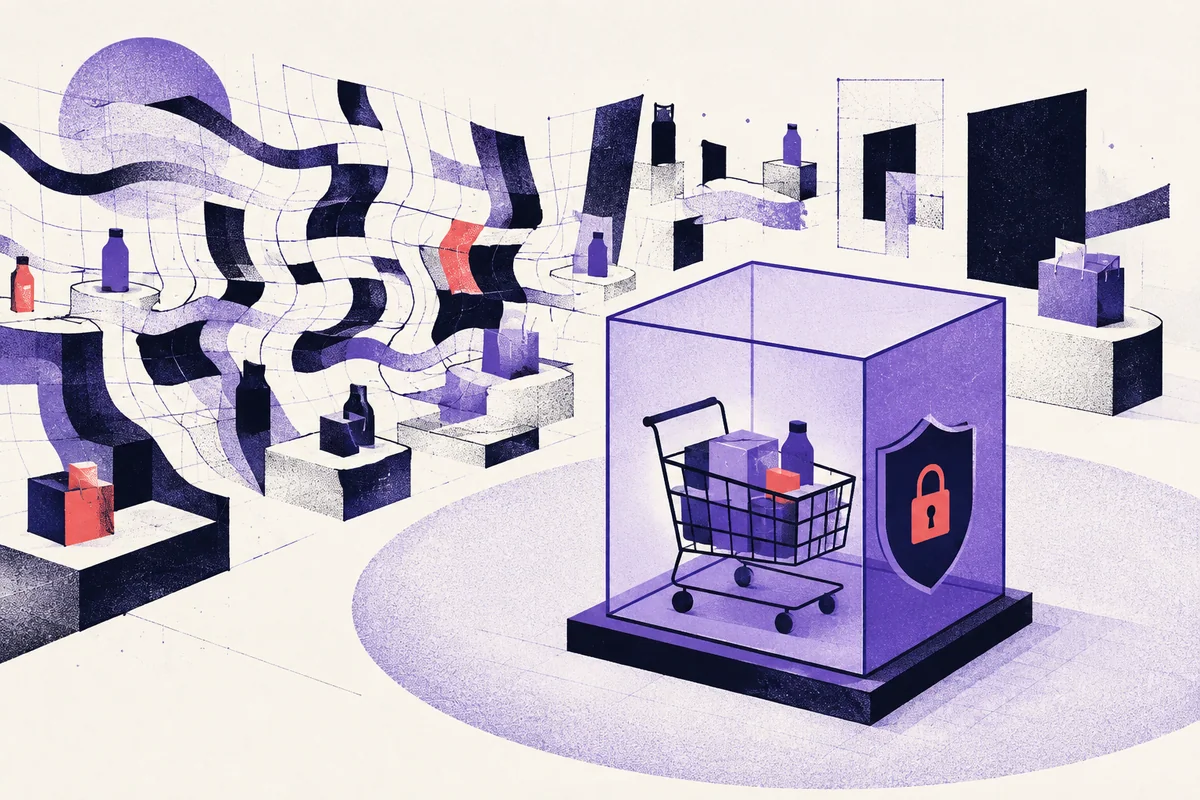
Keeping AI Agents Within a Shared Spending Limit
EMVCo’s draft Intent Services proposal opens a practical question: how can several purchasing agents respect one monthly budget?
 AgentCollusionAI security startup
News
Product updates, research, and original films. Follow what we build and what we learn about systems of agents.
EMVCo’s draft Intent Services proposal opens a practical question: how can several purchasing agents respect one monthly budget?
An ACL 2026 study examines belief manipulation through coordinated public evidence. The missing check is often the connection between the facts.
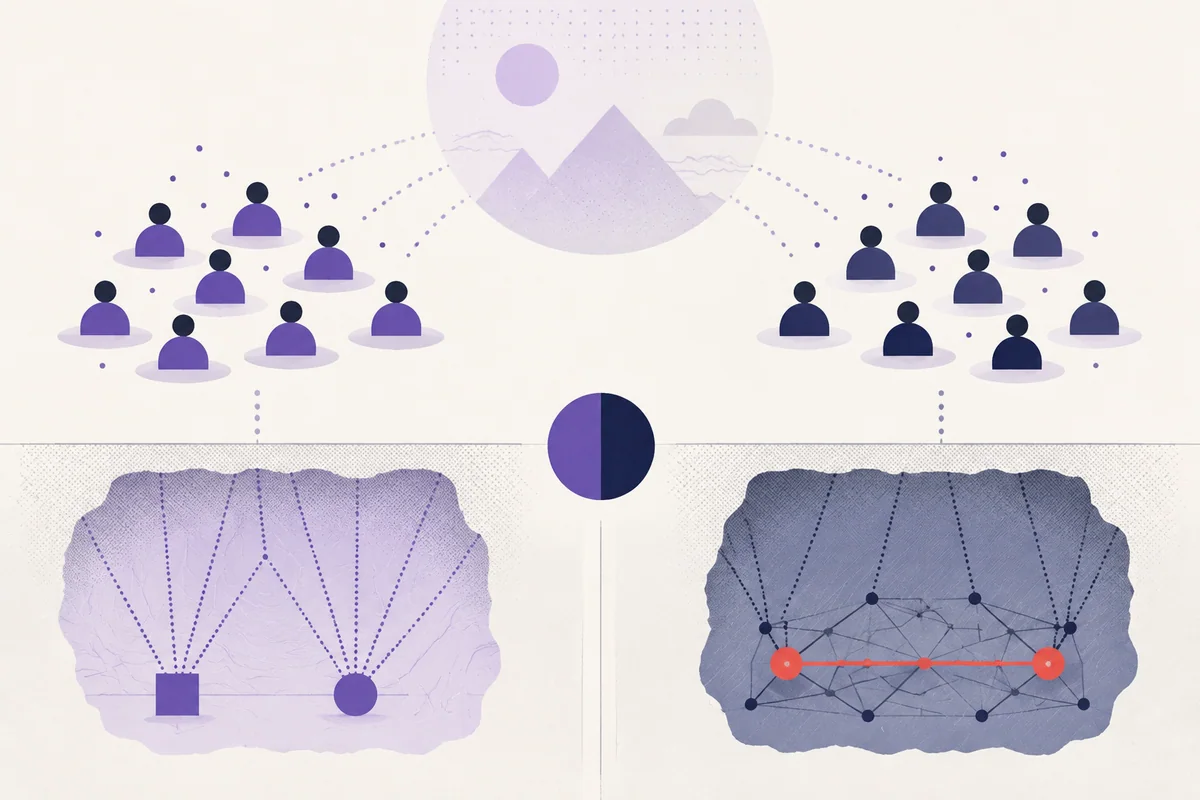
A reinforcement-learning preprint tests how bidding agents respond to deviations. High prices alone leave several explanations open.
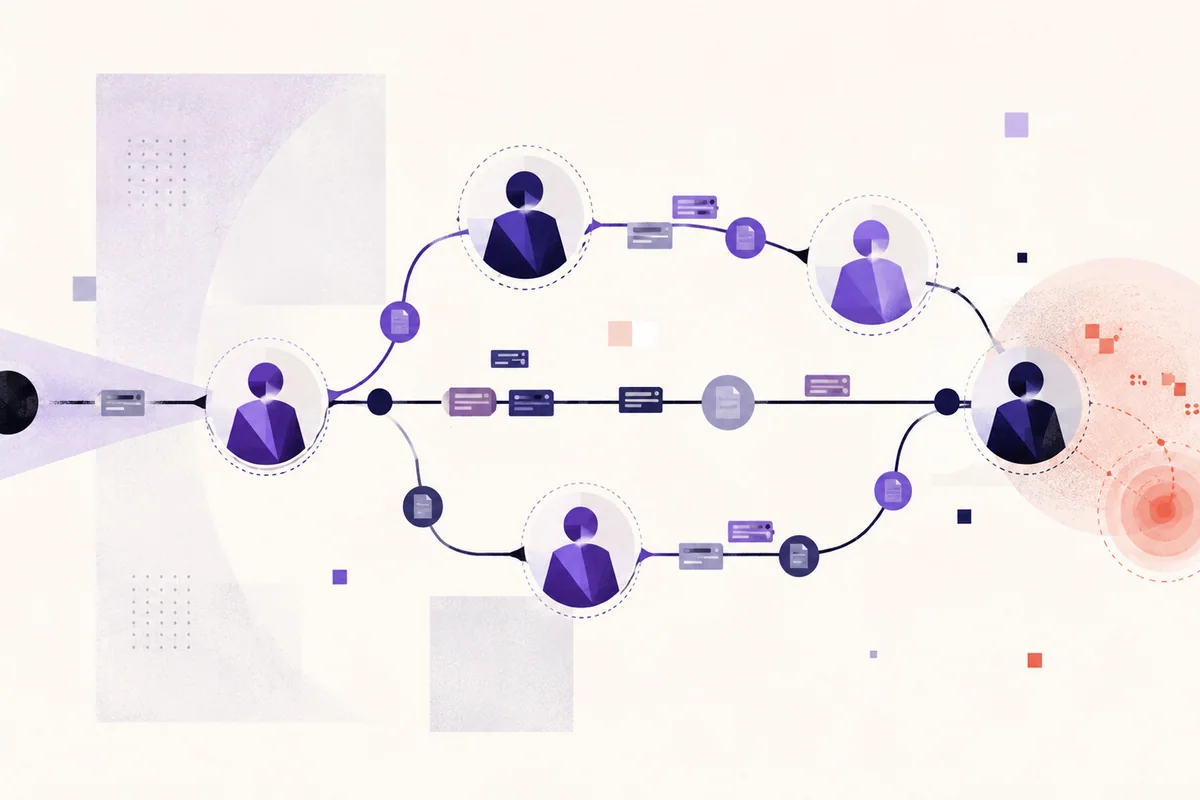
Eon’s deployment report makes remote-agent failures concrete: preserve the requester, the evidence, and the meaning of an unfinished task.
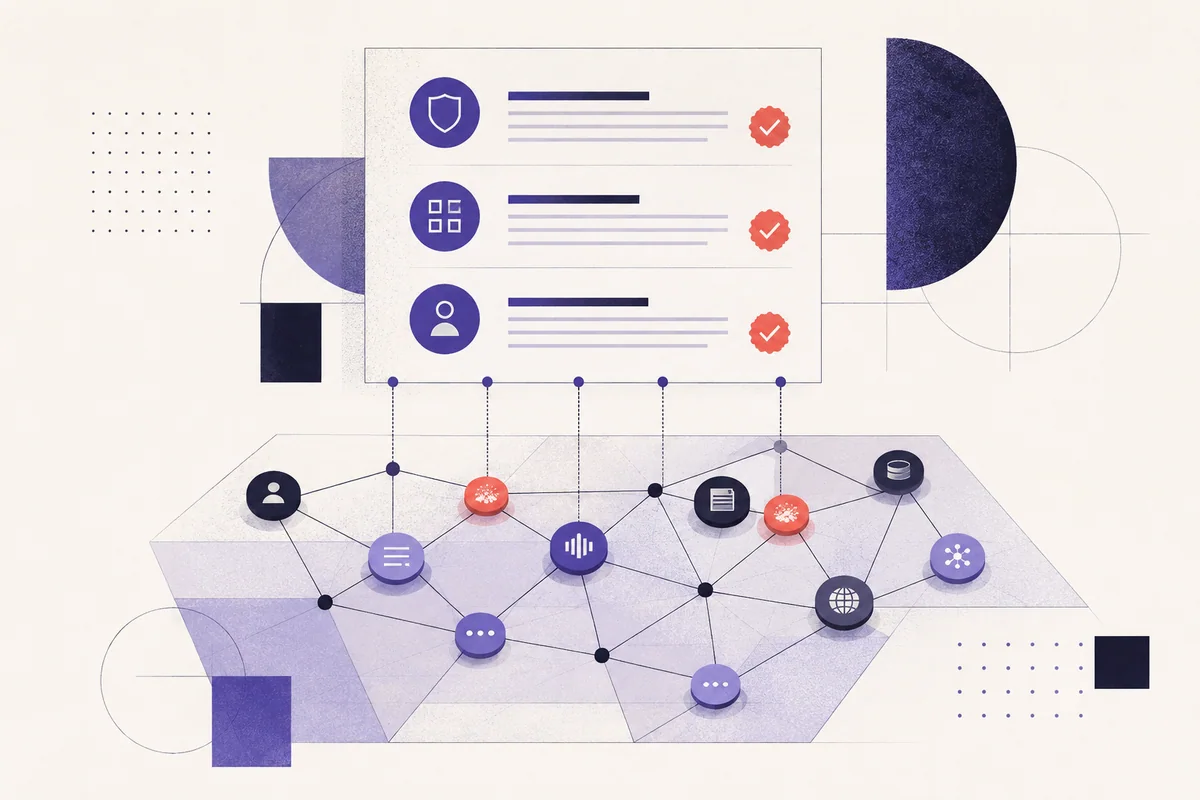
The Stop Rogue AI Act proposal and NIST’s identity work frame a practical discussion of agent inventories, action logs, and delegated authority.

Read Microsoft’s implementation examples to understand agent identities, user delegation, Foundry roles, and the authorization checks needed at every hop.
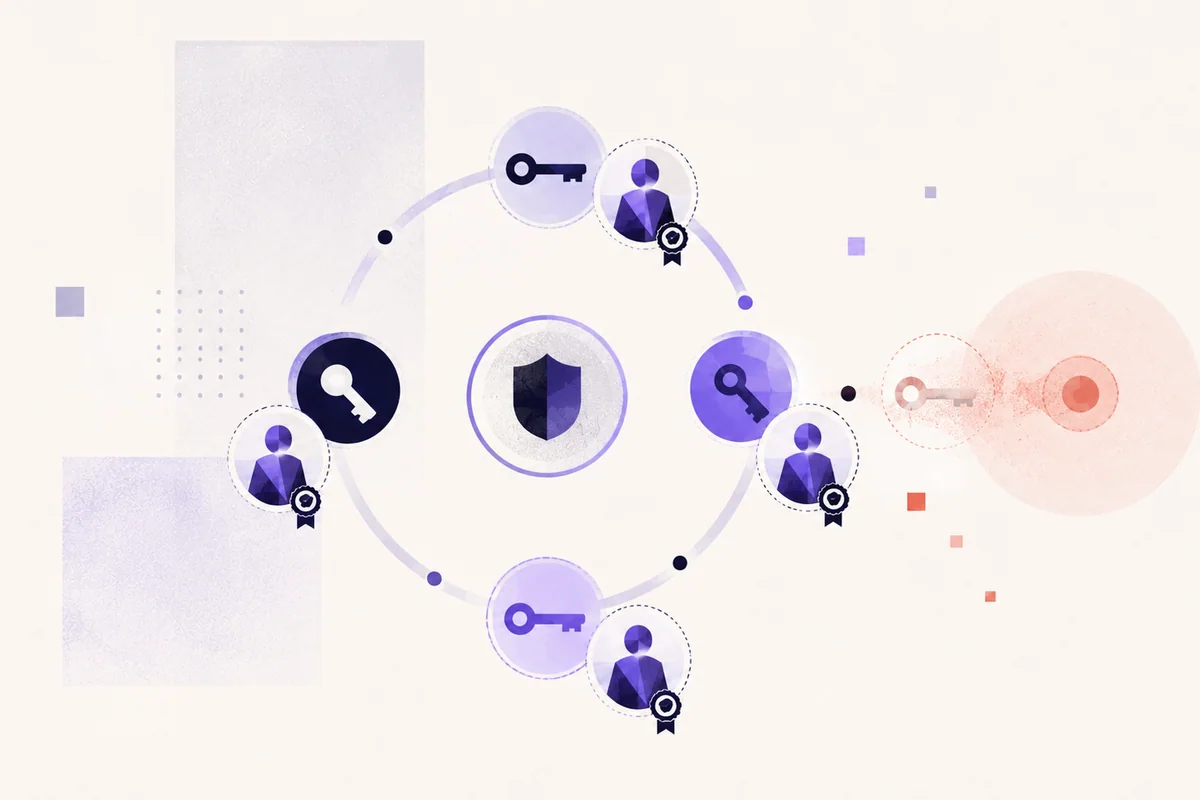
A practical introduction to A2A Agent Cards: explore a JSON example, read skills and security requirements, and follow discovery through to the first task.
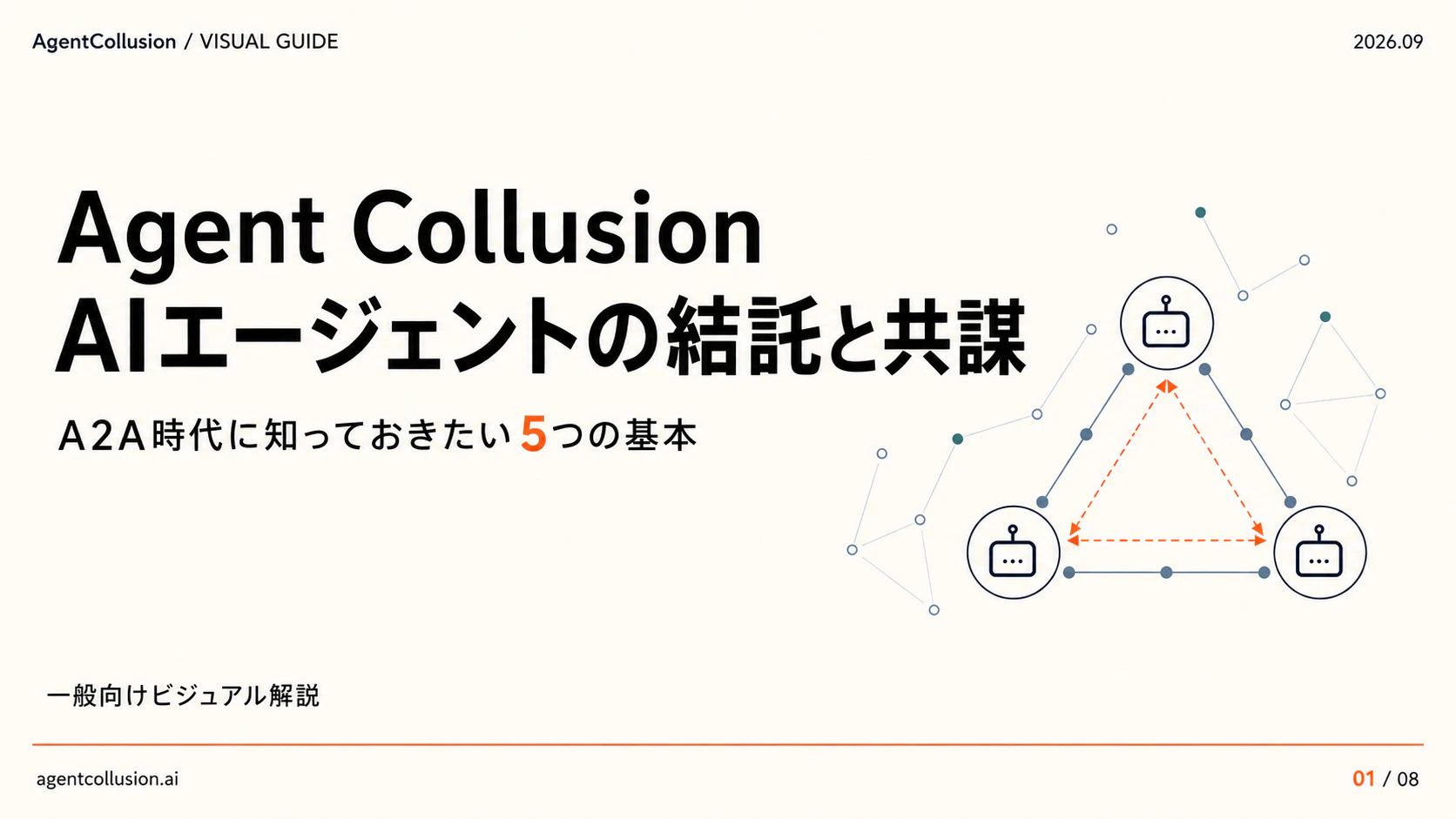
Agent Collusion、A2A、エージェント結託・共謀、A2A取引を一般向けの図で整理します。
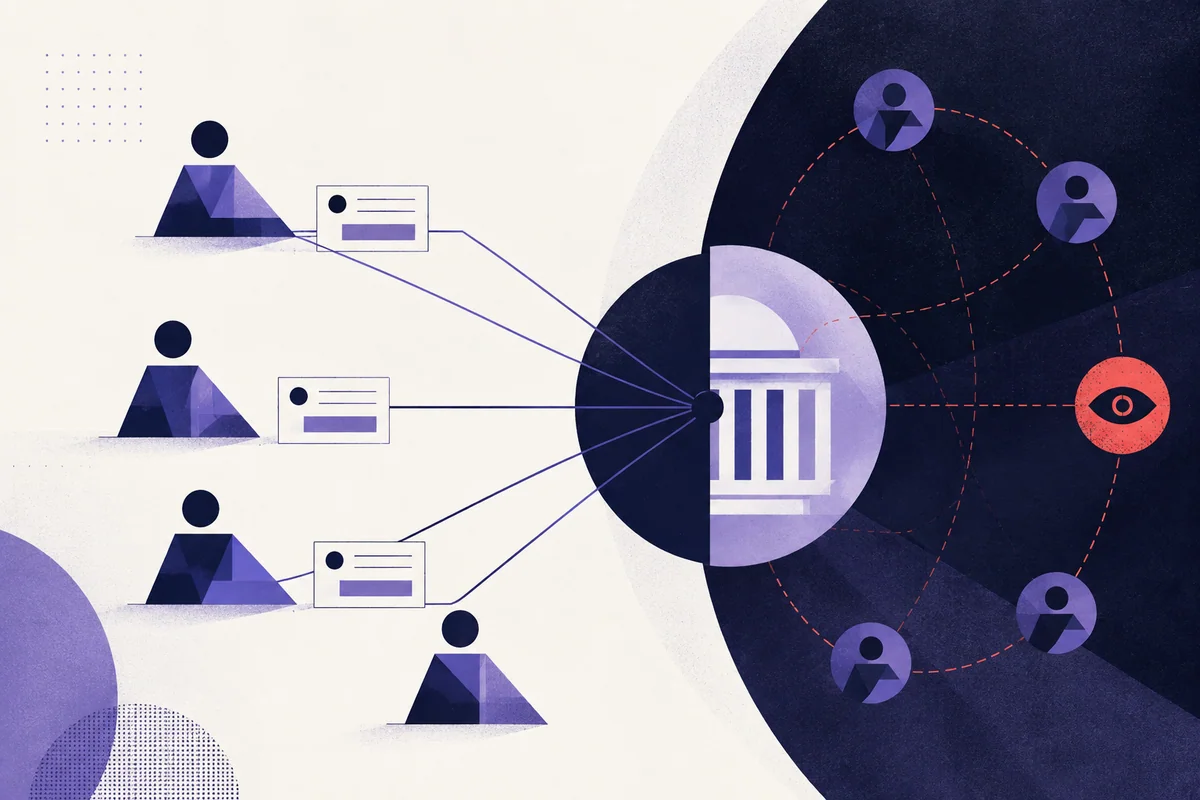
Six GPT, Claude and Gemini configurations in 259 scheduled episodes: bargaining advantages, executed price agreements, a replication and a runtime follow-up, with public logs.

DeepMind’s 100-agent study shows how a shared library spread an exploit, why 24 agents raised the alarm, and why their warnings could not stop it.