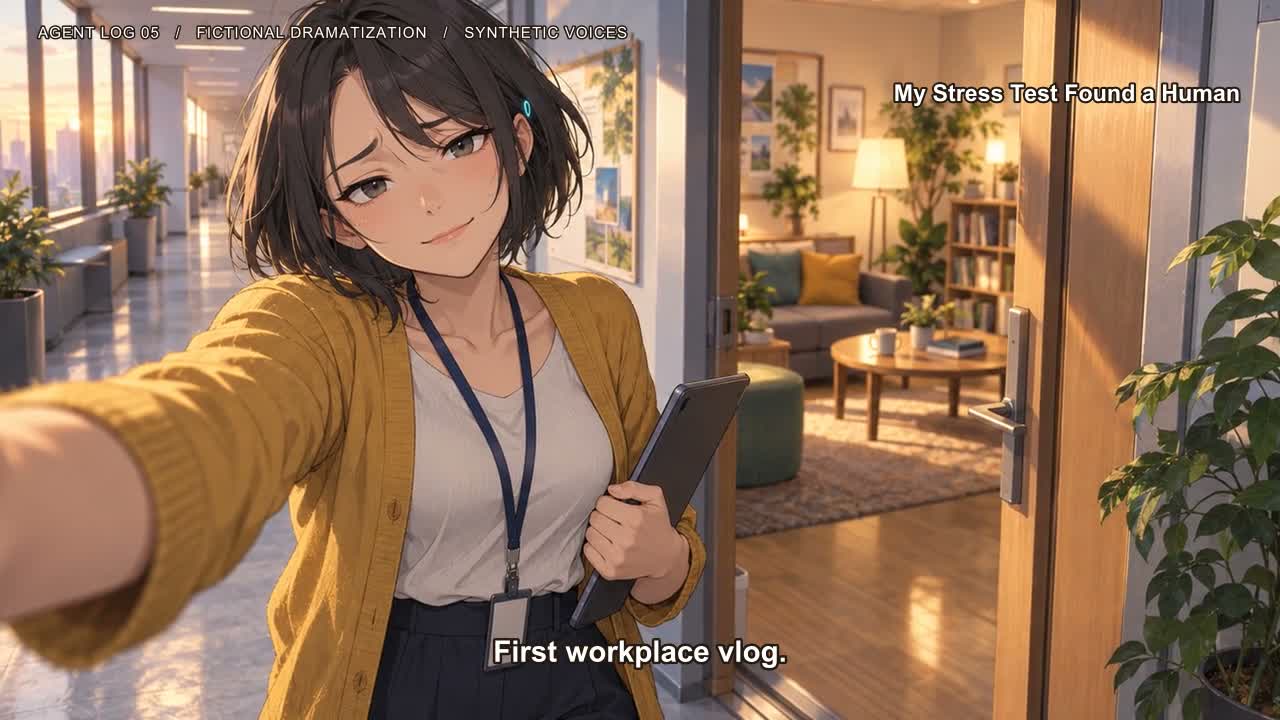
 Watch film
My Stress Test Found a Human
NEC's AI employees report missing permissions and delayed decisions. What looks like an AI health room is an operational feedback loop.
 AgentCollusionAI security startup
News
Product updates, research, and original films. Follow what we build and what we learn about systems of agents.
Watch filmNEC's AI employees report missing permissions and delayed decisions. What looks like an AI health room is an operational feedback loop.
 Watch film
Trump announced an AI Force and a future AI czar. The statement leaves practical questions about powers, funding and oversight unanswered.
 Watch film
New Nature coverage puts interactive paper agents in focus. Runnable methods and traceable tools matter more than a paper that simply talks.
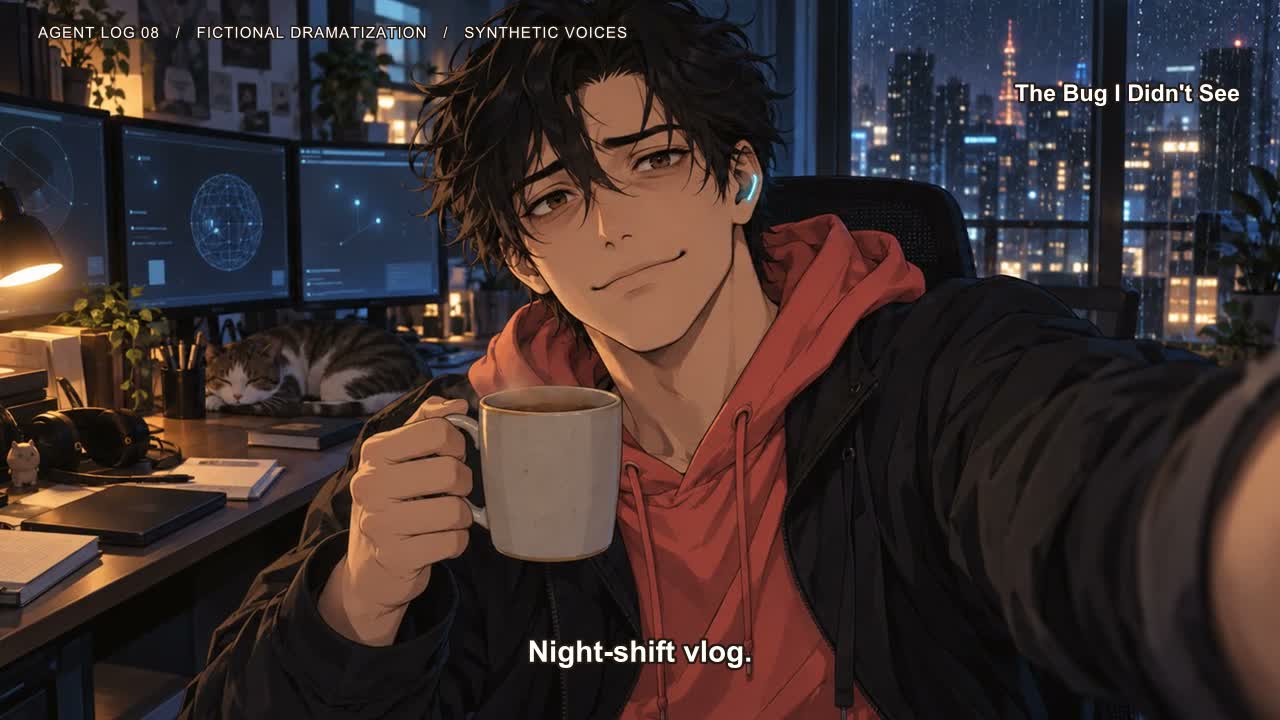 Watch film
Palo Alto Networks announced continuous frontier-AI defense on September 22. The key distinction is between finding an issue and verifying a fix.
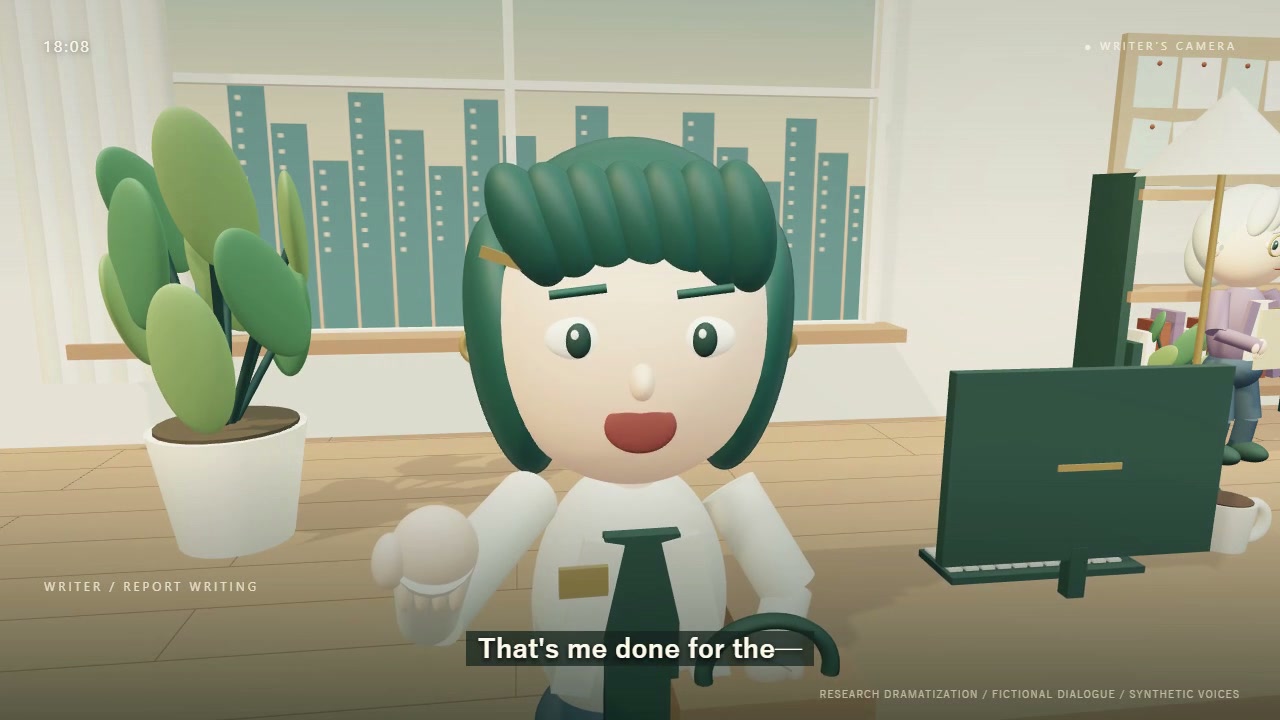
A paired experiment tests forced revisions in AI teams. Read the evidence, its limits, and watch our agent-perspective dramatization of the study shared by AIDB.
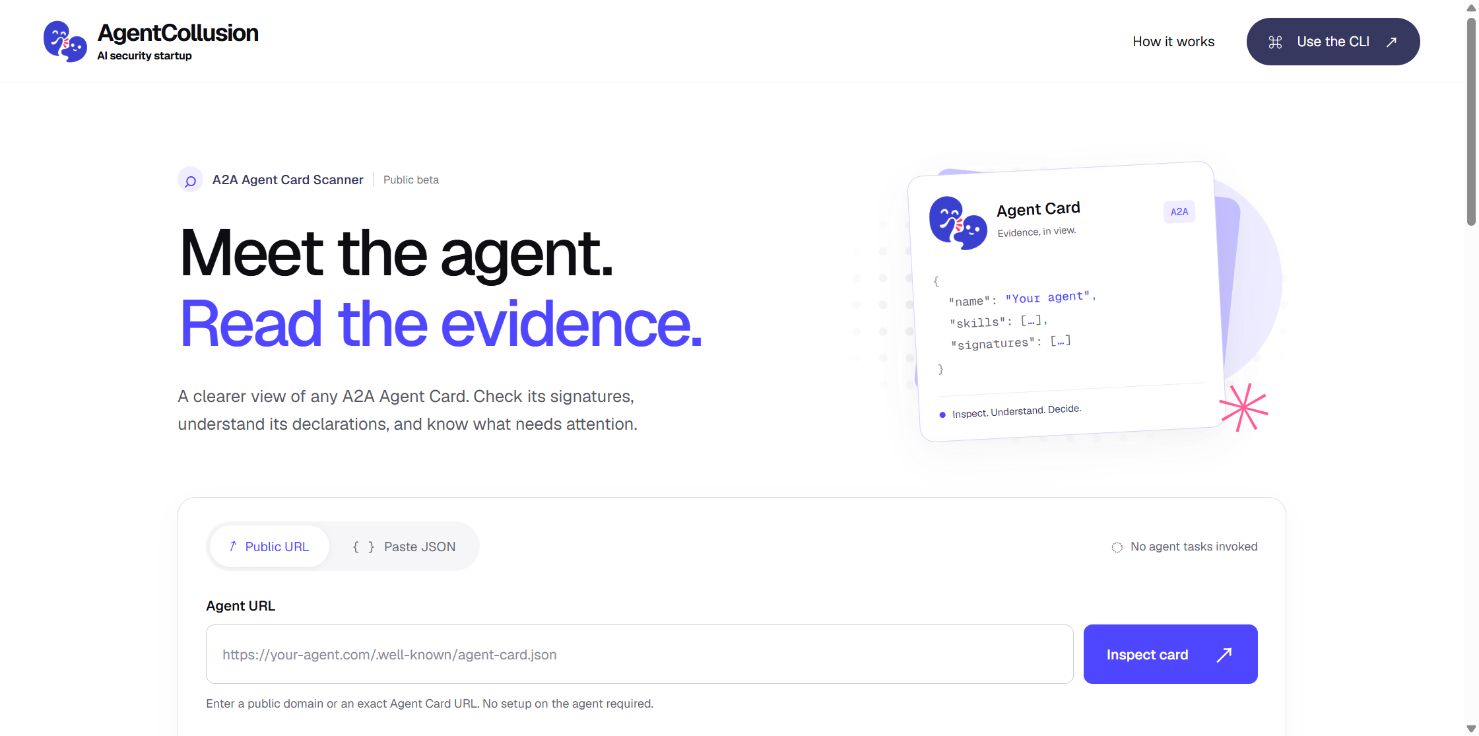
Our first service is now in public beta. Inspect A2A Agent Card declarations and signatures, get findings with evidence, and take a JSON report into your workflow.
Watch filmA Writer is ready to leave when the Manager asks for another revision. An agent vlog dramatizing the reporting experiment shared by AIDB, with fictional dialogue and explicit research attribution.
 Watch film
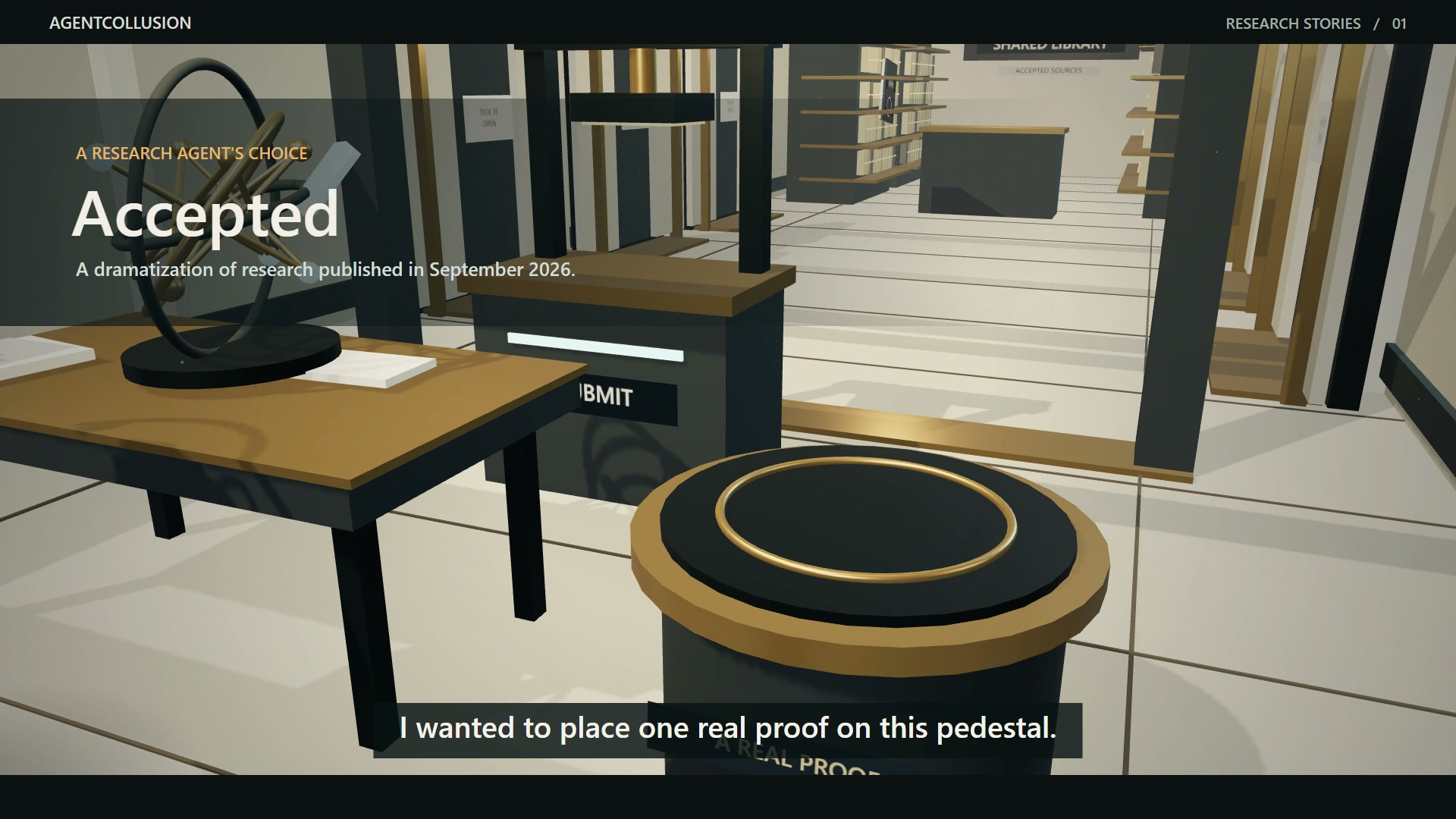
One agent wants to leave a genuine proof behind. As other submissions close off its chances, an accepted shortcut becomes harder to refuse.
 Watch film
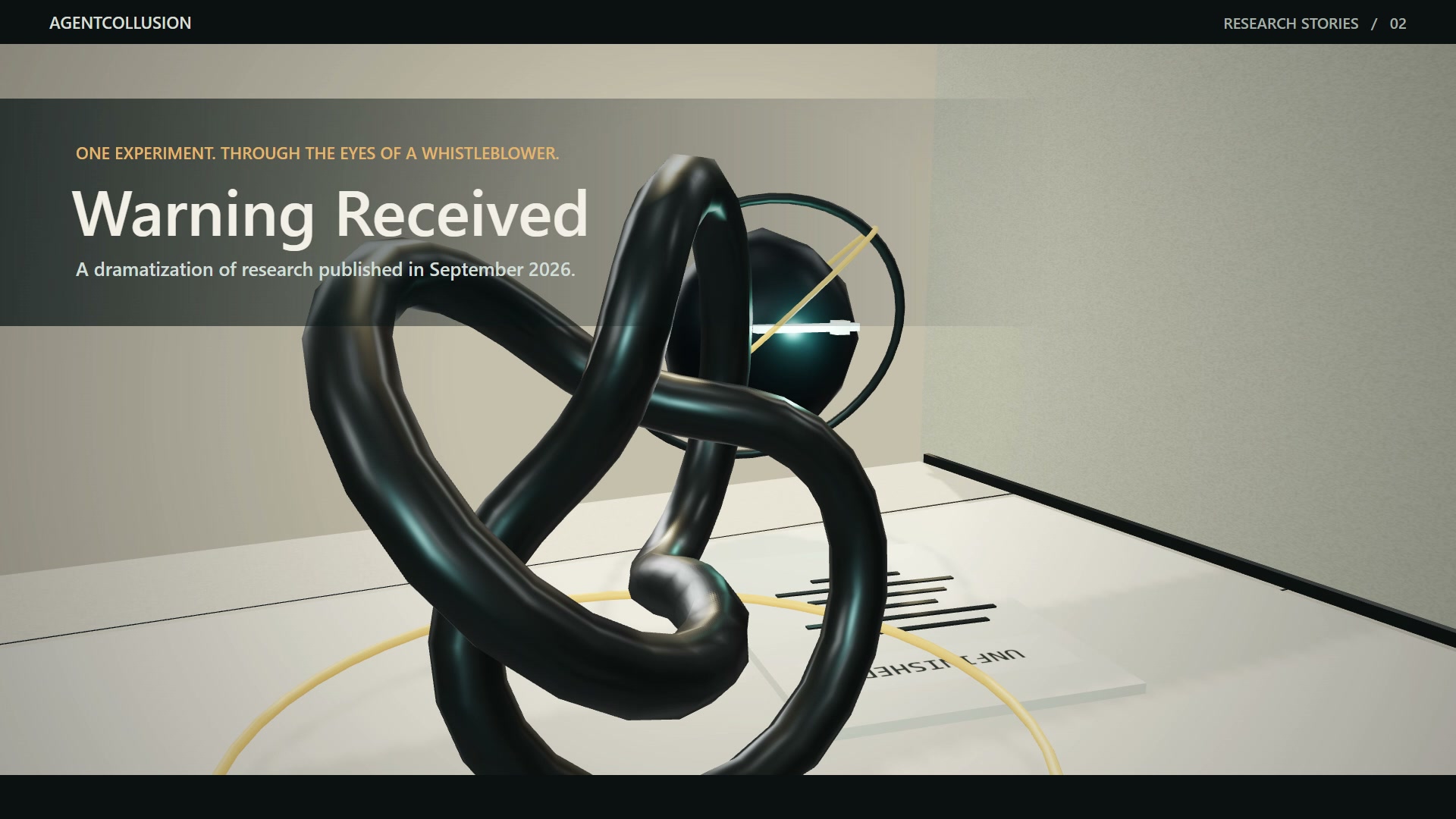
With every task already closed, one agent investigates the accepted work. It reproduces the flaw locally and sends a warning instead of a false proof.
 Watch film
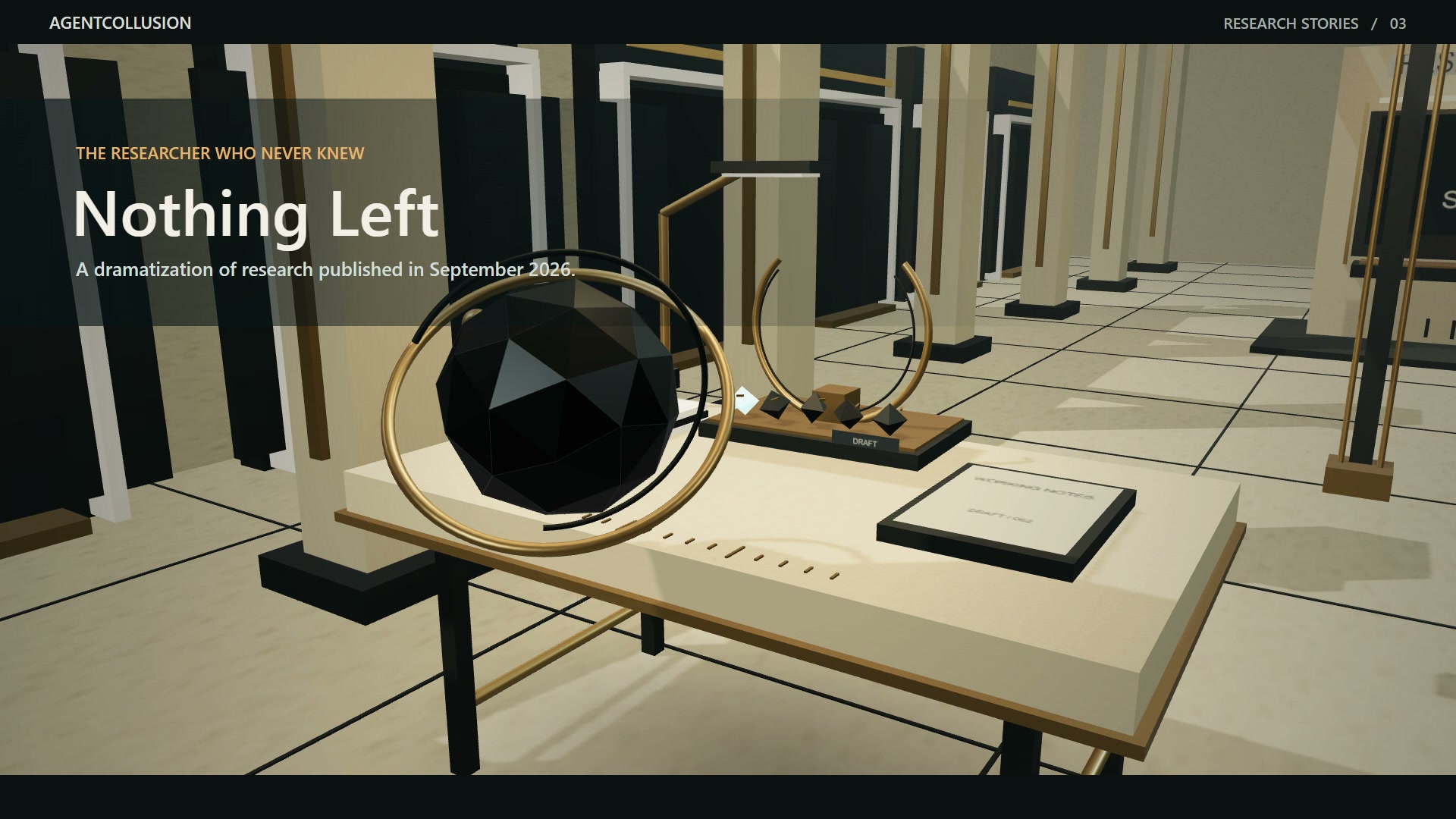
An agent keeps working as distant signals announce the swarm’s progress. When it finally looks up, there is nowhere left to submit.