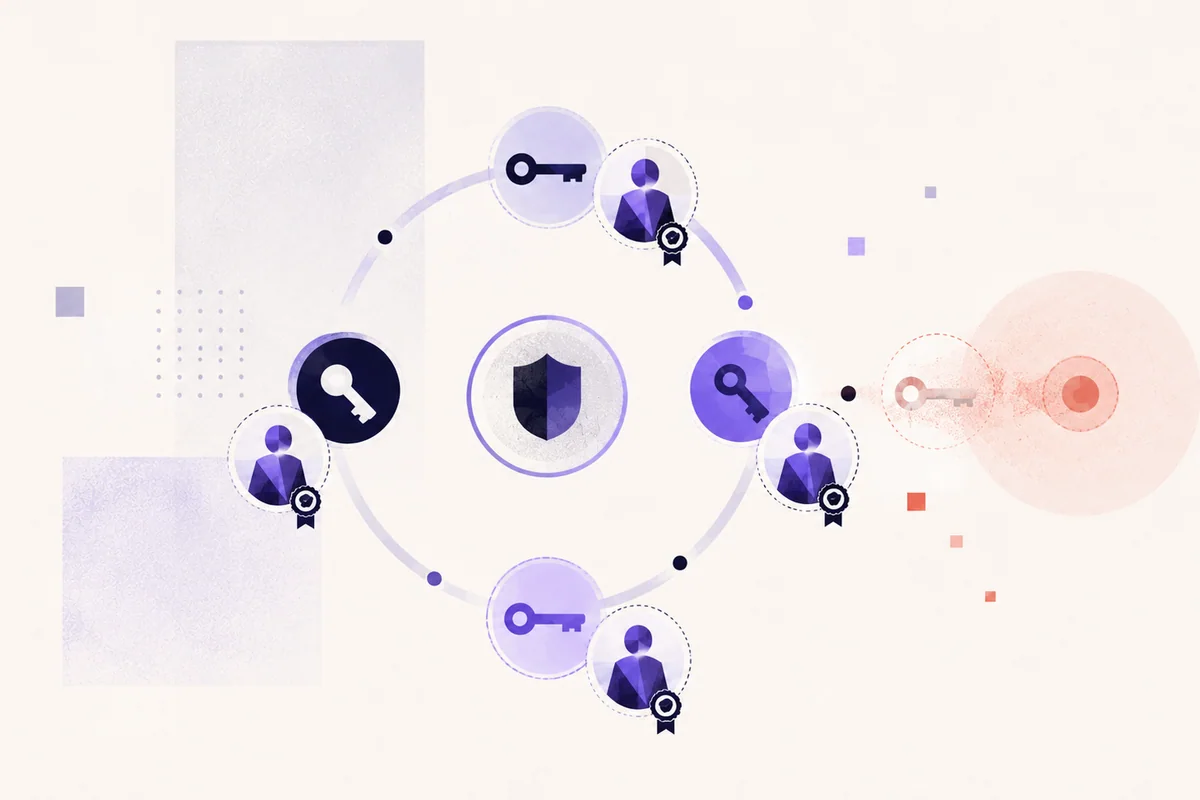
Signed Agent Cards Still Need Key Rotation
A valid signature proves integrity under a key; it does not prove that the key is current, independent, or correctly governed.

 AI security startup
News
Product updates, research, and original films. Follow what we build and what we learn about systems of agents.
A valid signature proves integrity under a key; it does not prove that the key is current, independent, or correctly governed.
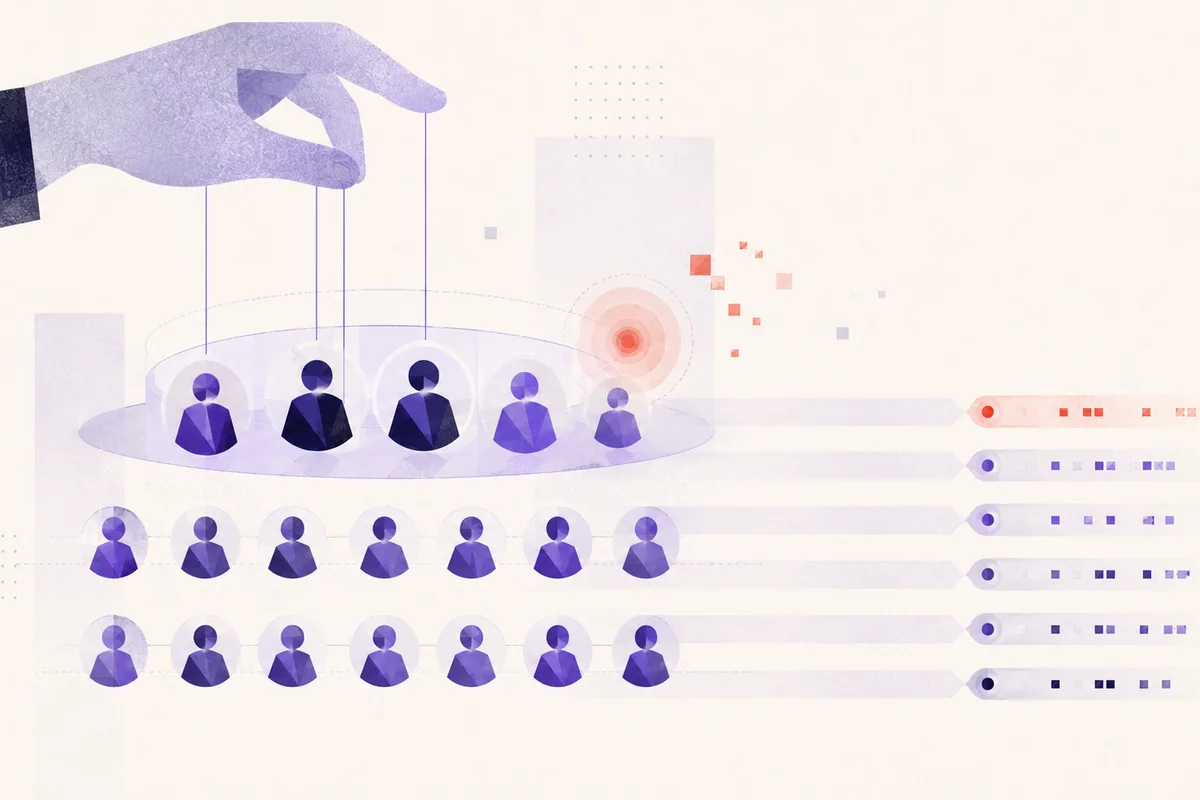
The registry that helps agents find one another also decides which providers receive visibility, work, and reputation.
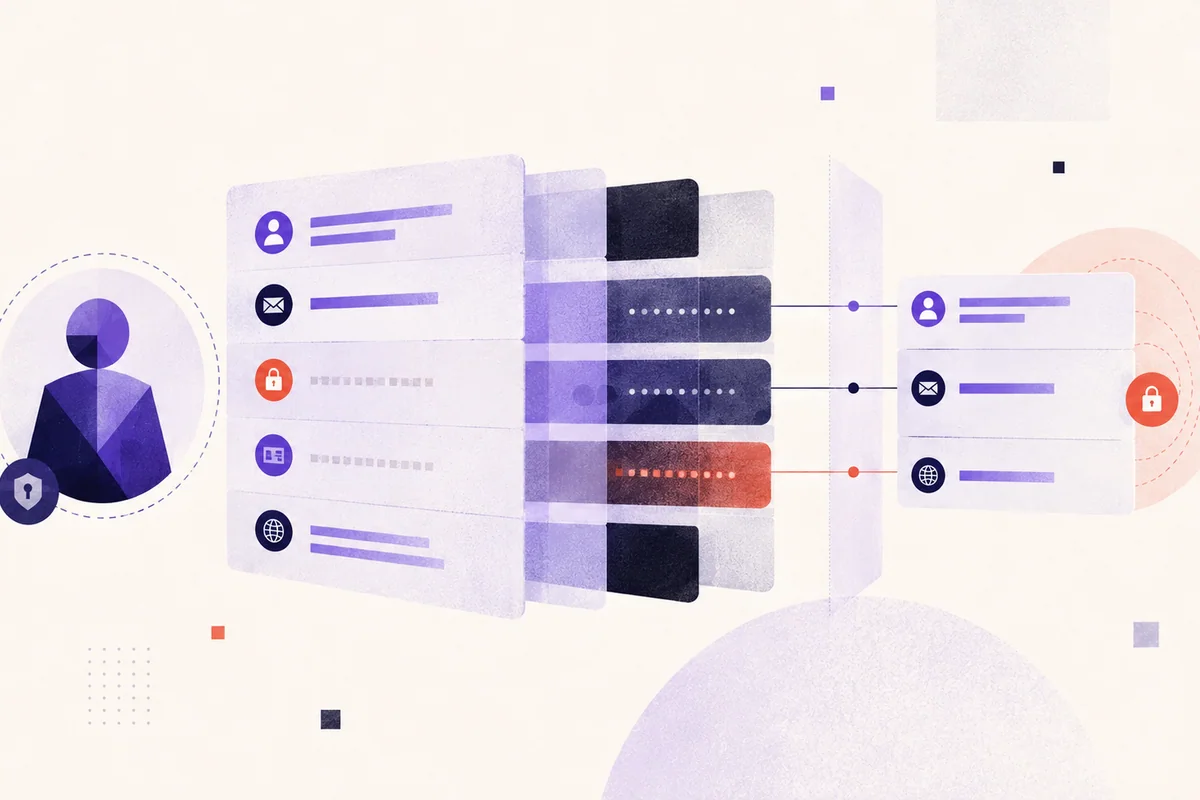
More metadata can improve trust while simultaneously revealing internal capabilities, topology, and sensitive operations.
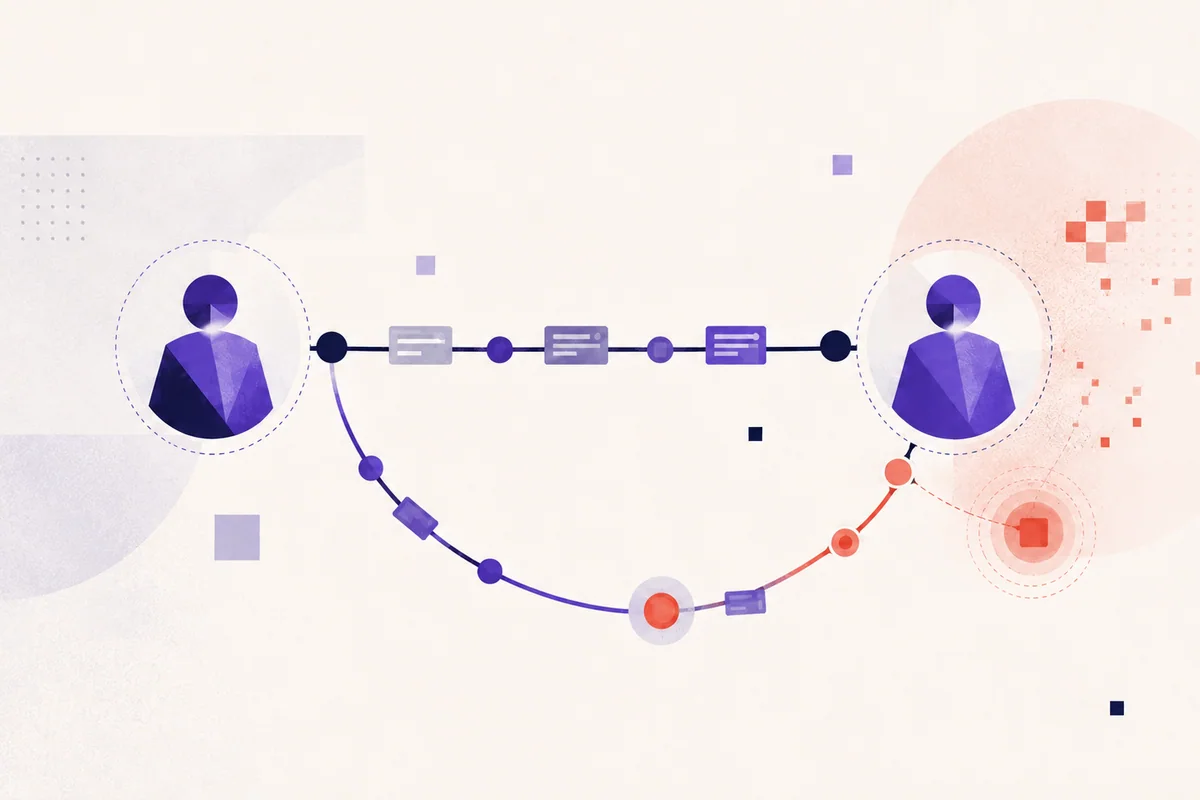
Asynchronous task updates can cross time, network, and credential boundaries that differ from the original request path.
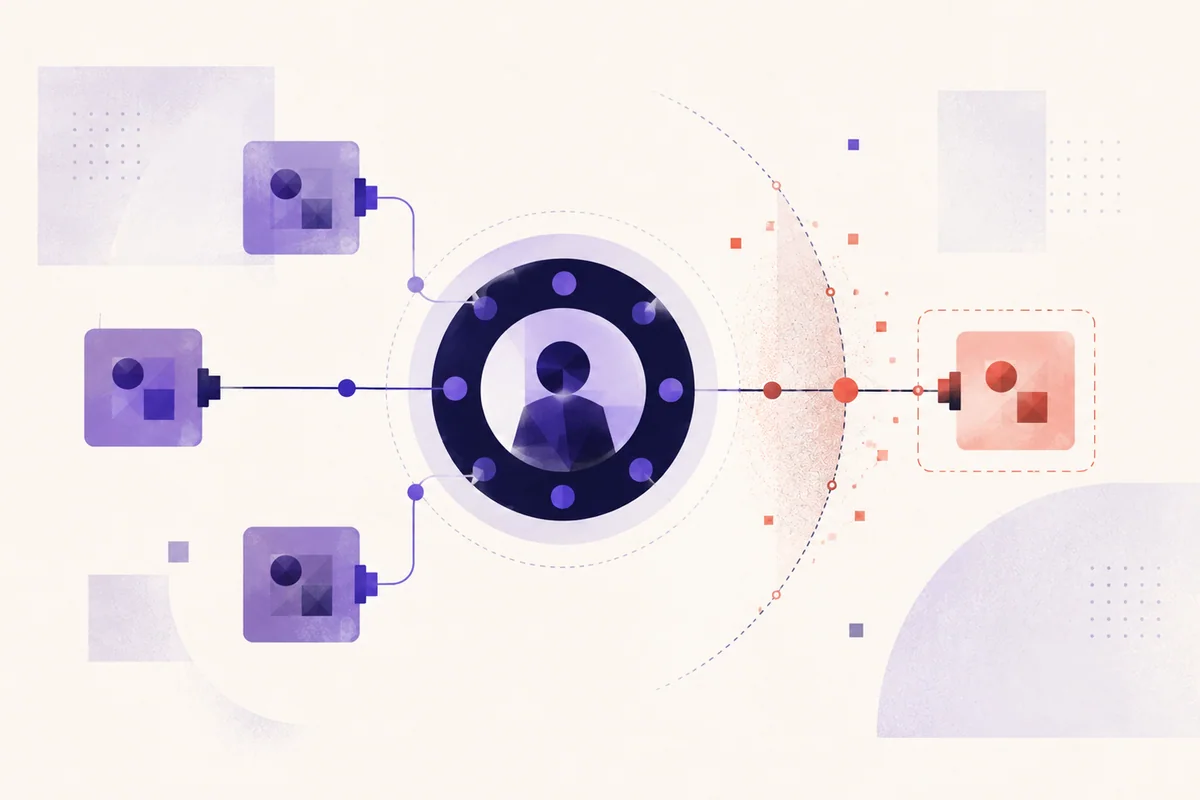
Extensions preserve interoperability only when their semantics, ownership, and failure behavior remain understandable.
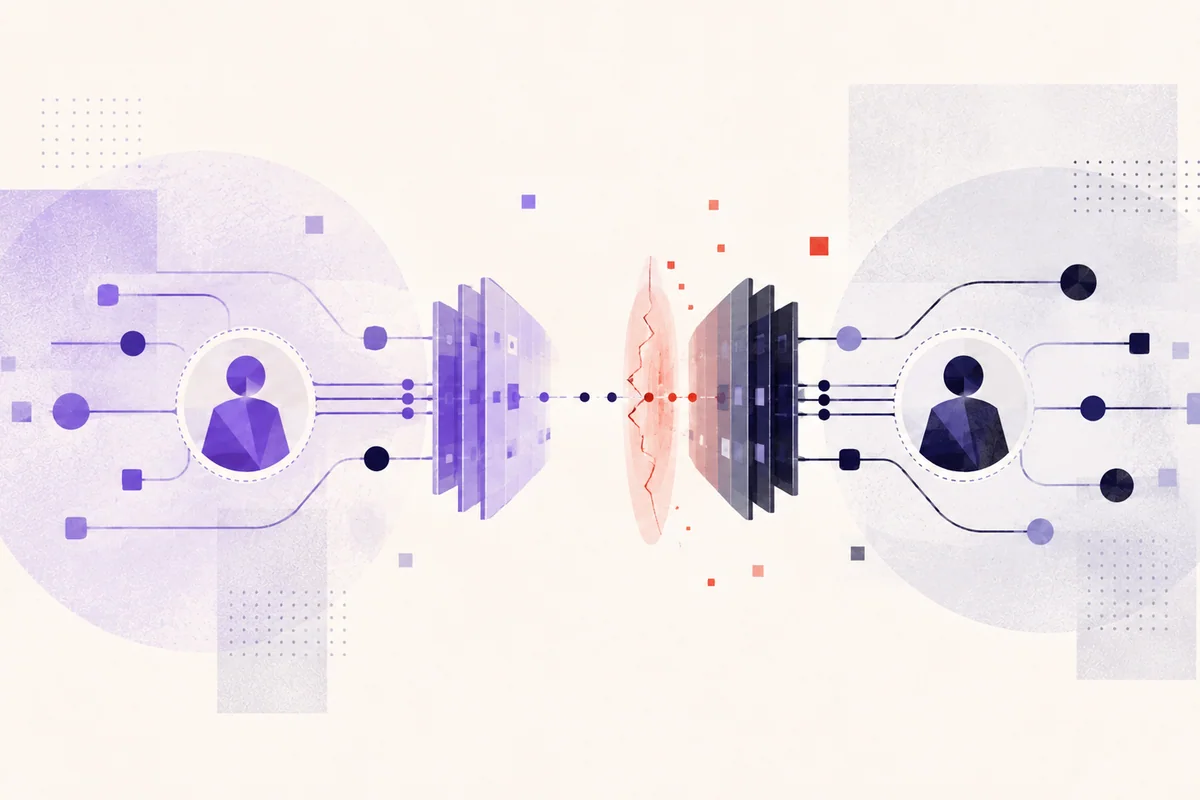
Backward compatibility can preserve connectivity while removing the controls a newer relationship expected.
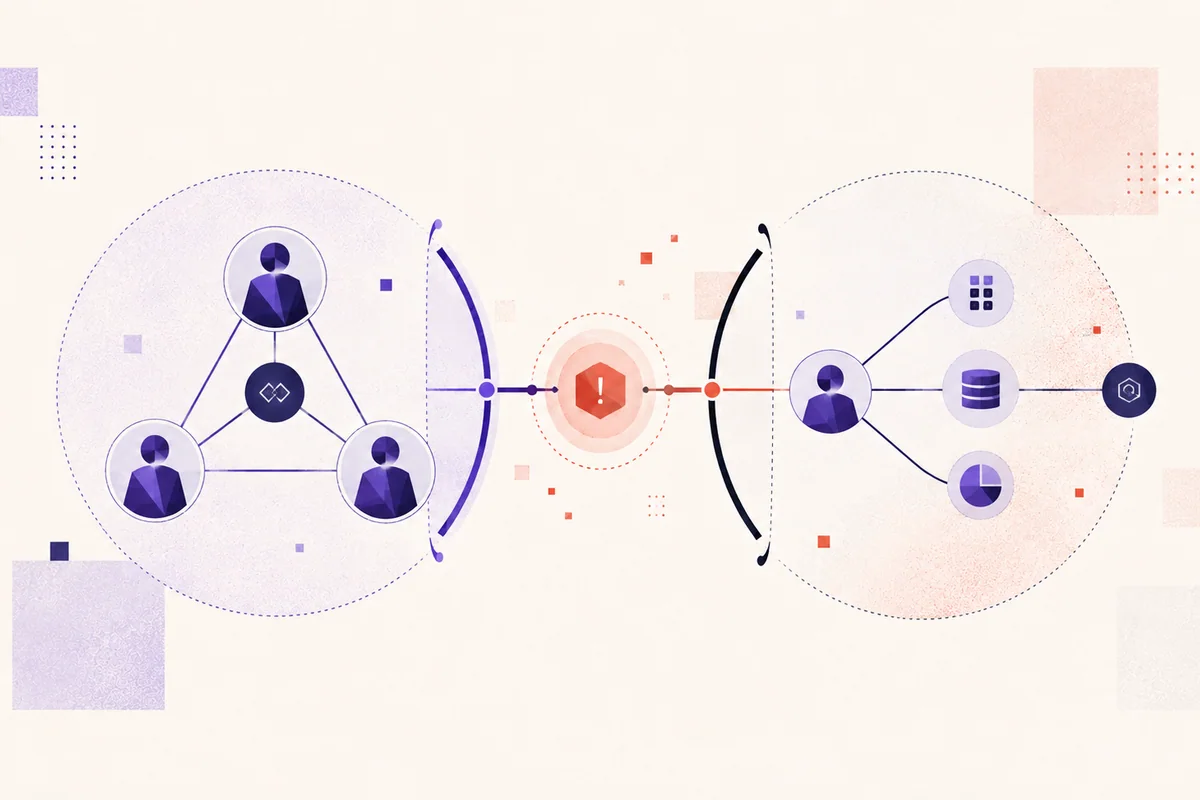
Agent interoperability and tool access solve different problems, so combining them does not create end-to-end trust automatically.
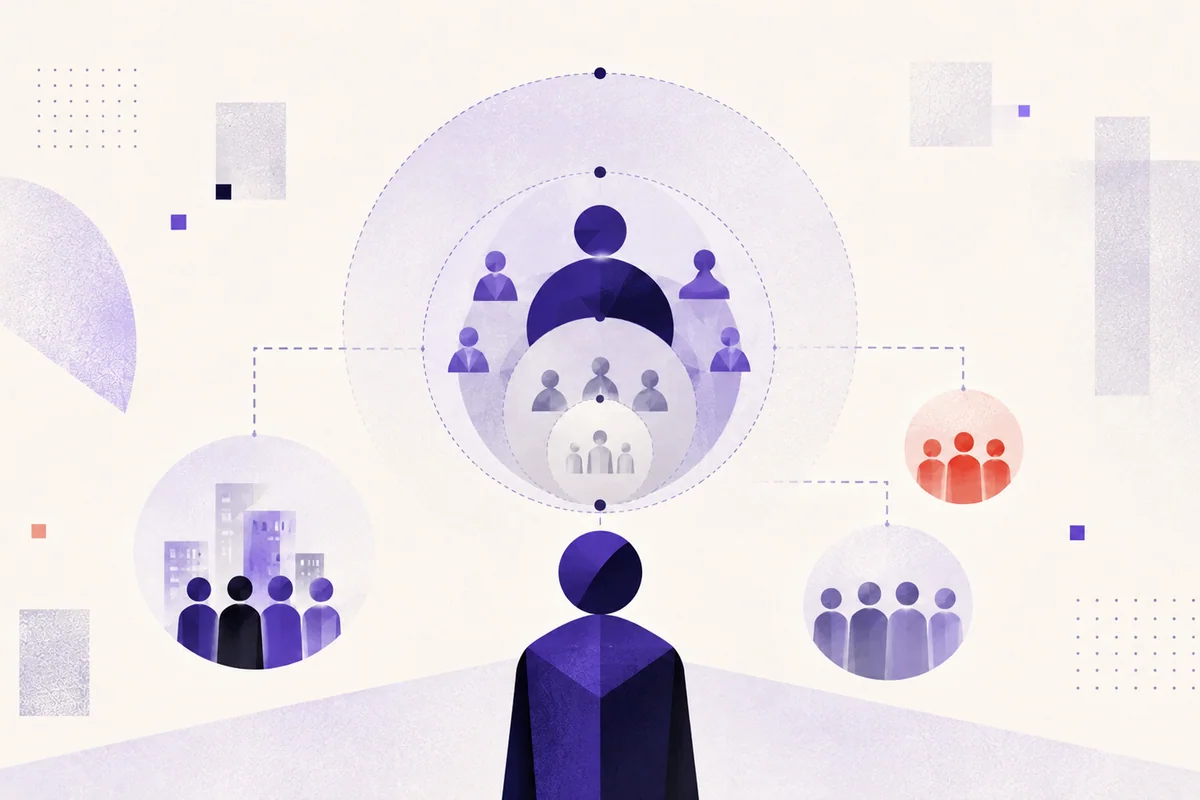
Knowing which runtime sent a request does not reveal who authorized it, who benefits, or who is accountable.
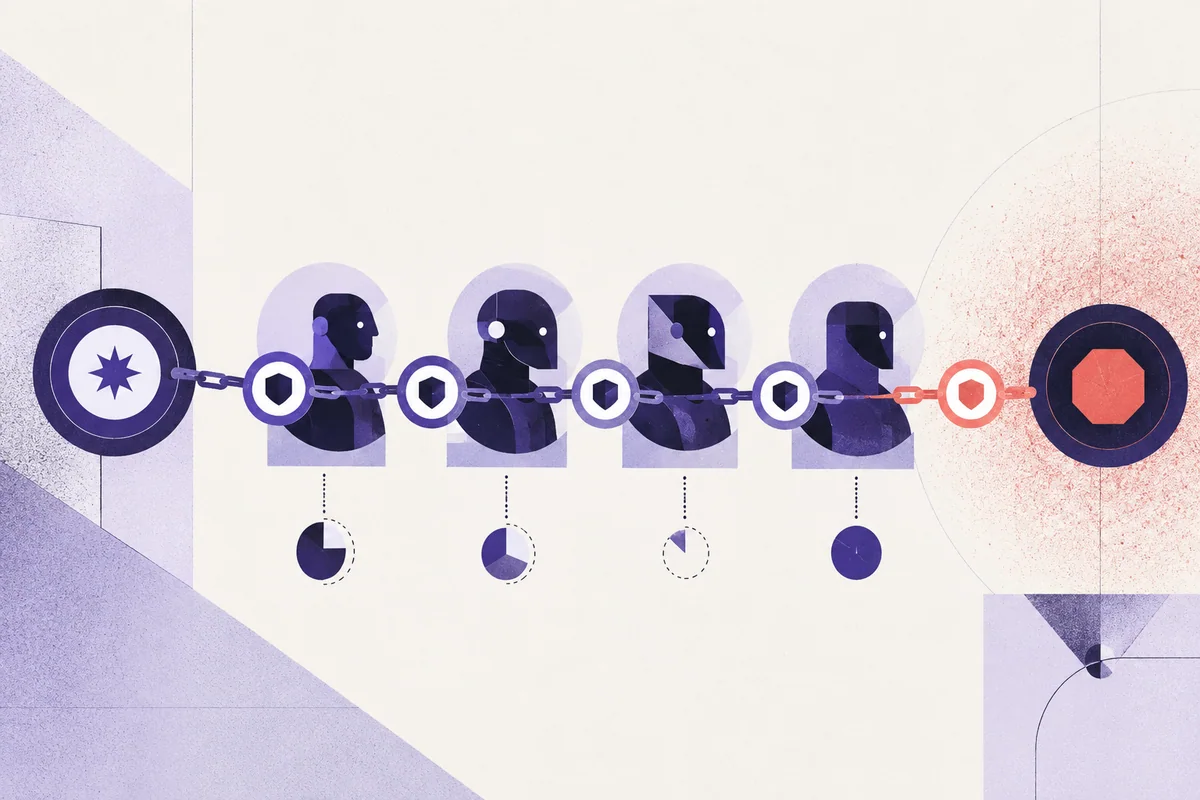
A short-lived user instruction can become durable authority when agents delegate work recursively.

Agents that plan dynamically should not receive every permission their workflow might eventually need.