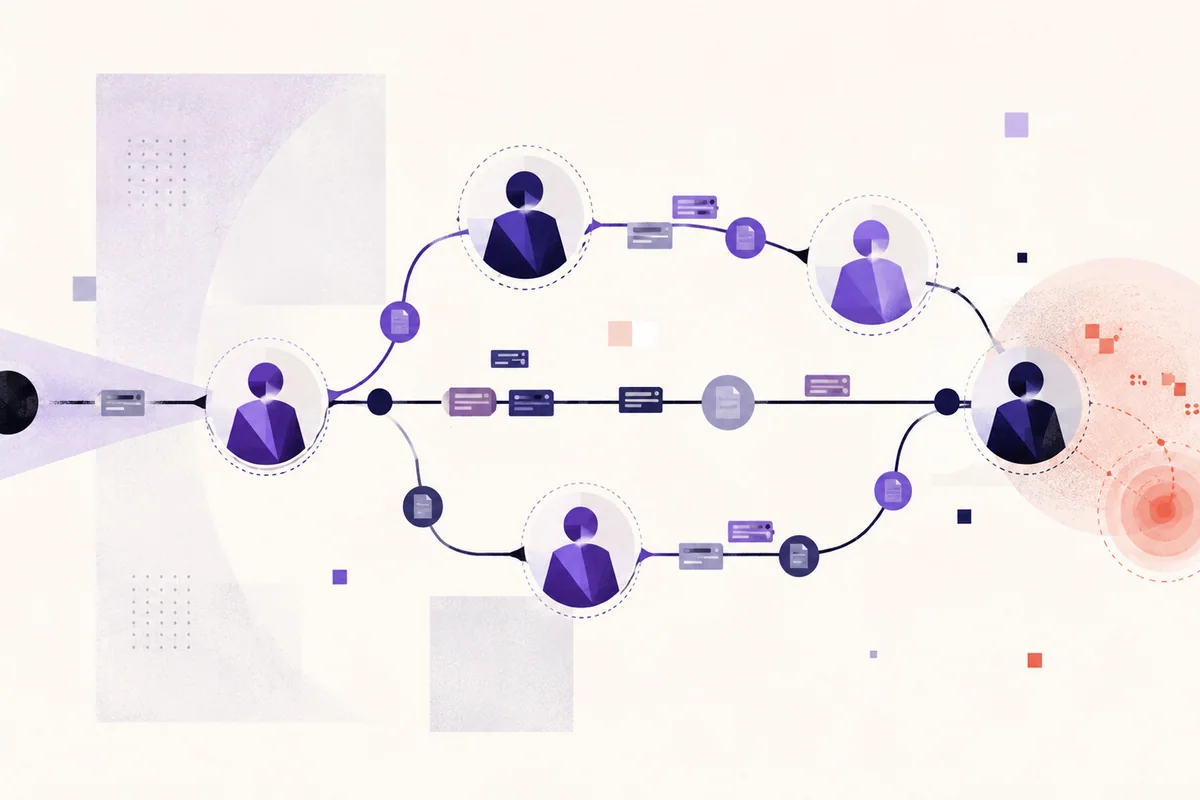
Threat Modeling the A2A Task Lifecycle
Why a valid task can still become unsafe as messages, artifacts, status updates, and counterparties accumulate.
 AgentCollusionAI security startup
News
Product updates, research, and original films. Follow what we build and what we learn about systems of agents.
Why a valid task can still become unsafe as messages, artifacts, status updates, and counterparties accumulate.
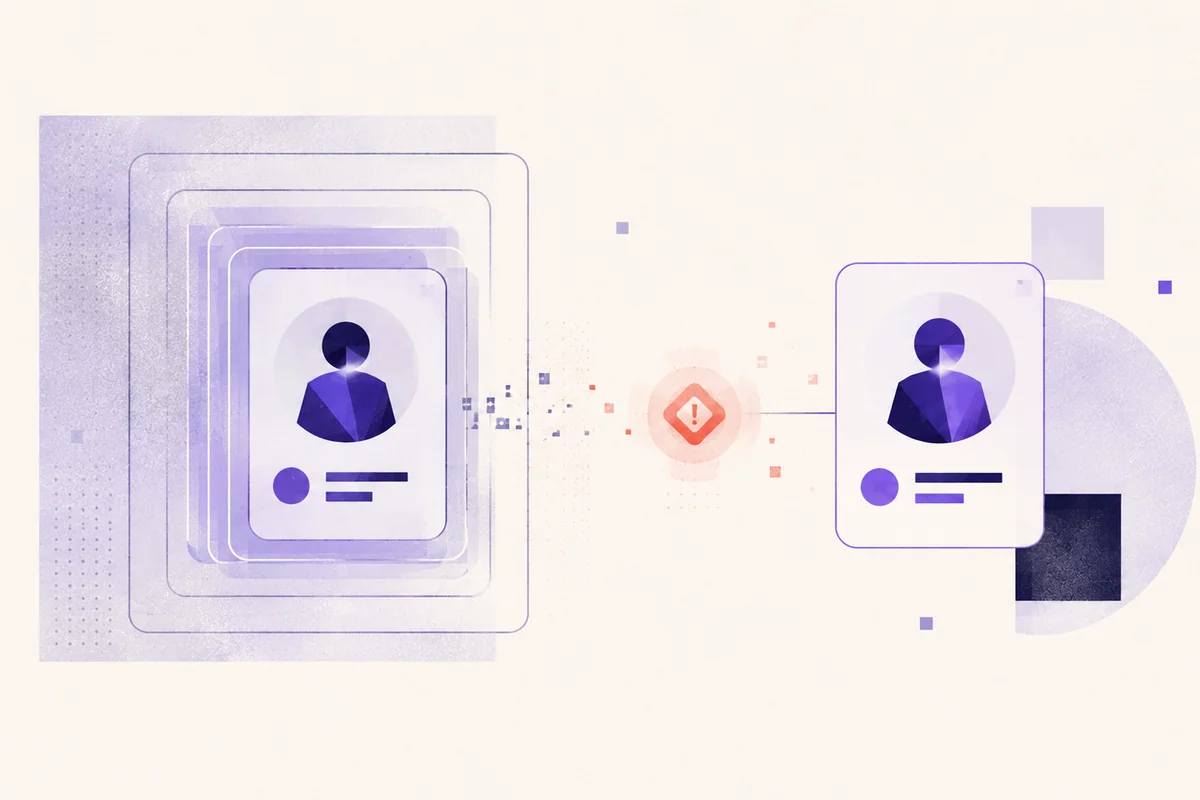
Capability metadata changes slowly, but ownership, keys, endpoints, and risk can change immediately.
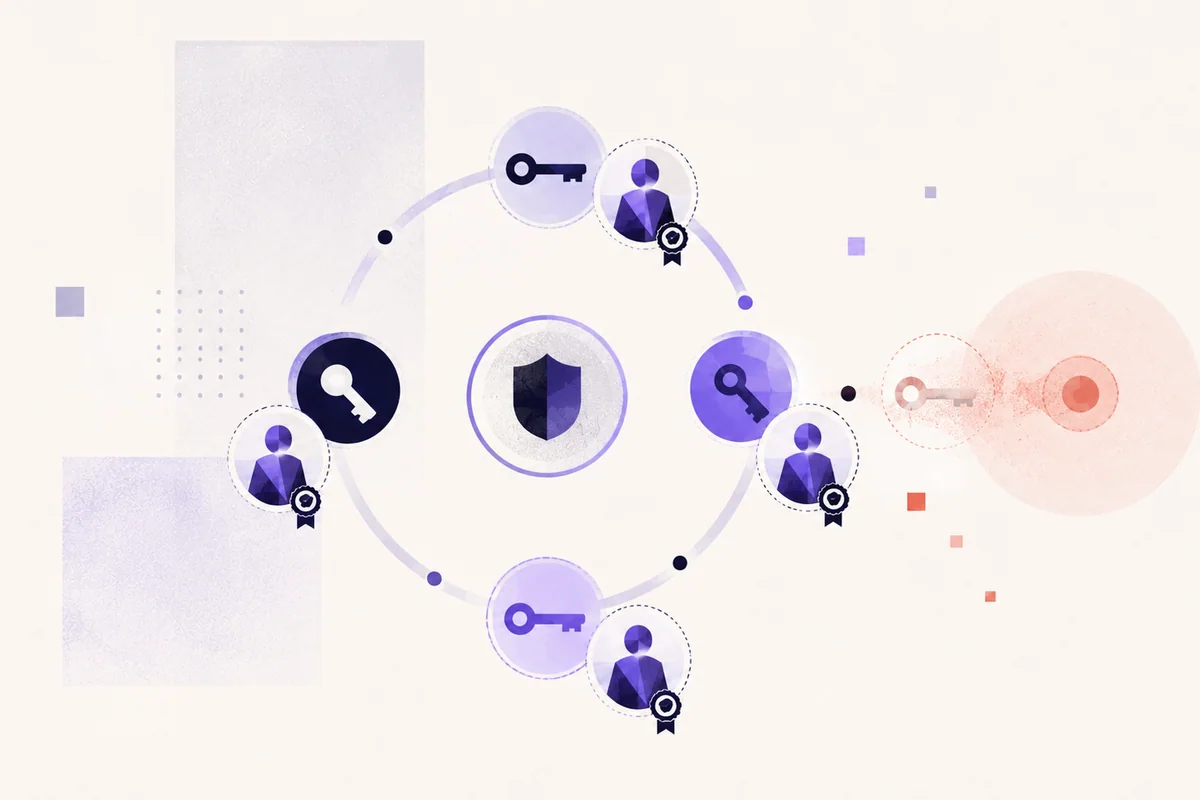
A valid signature proves integrity under a key; it does not prove that the key is current, independent, or correctly governed.
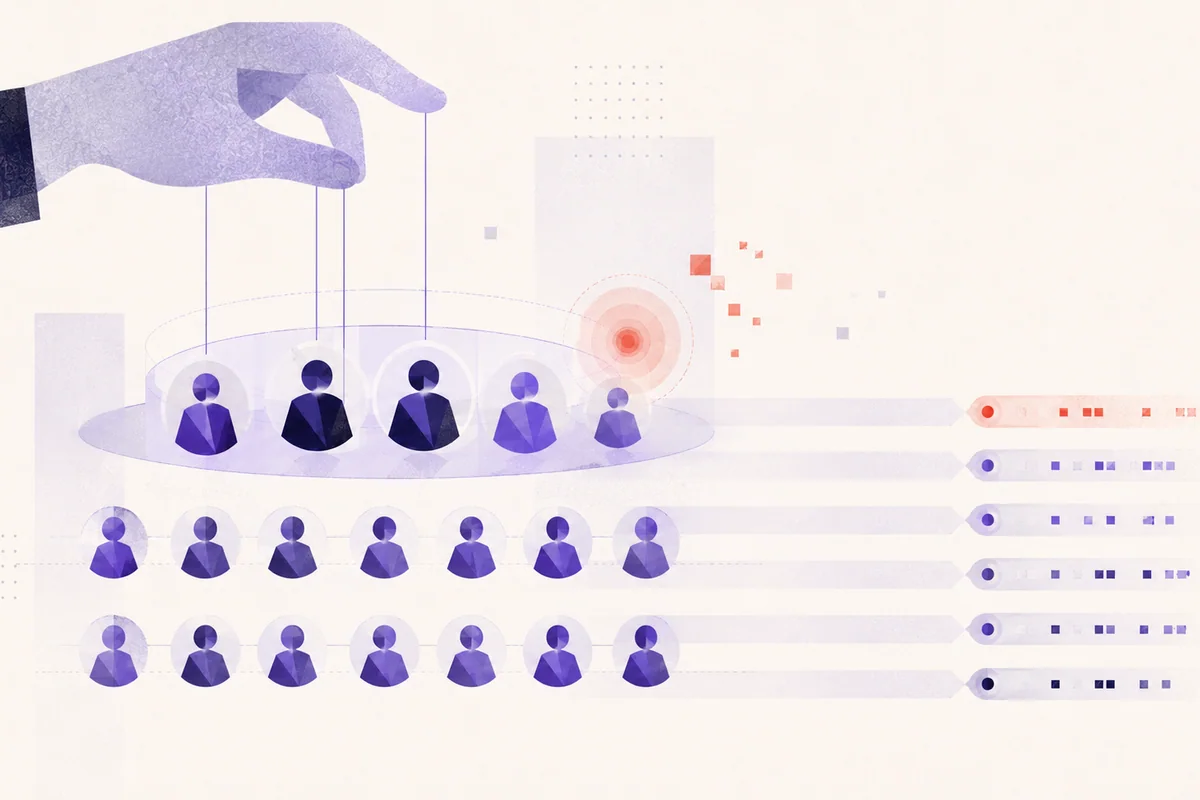
The registry that helps agents find one another also decides which providers receive visibility, work, and reputation.
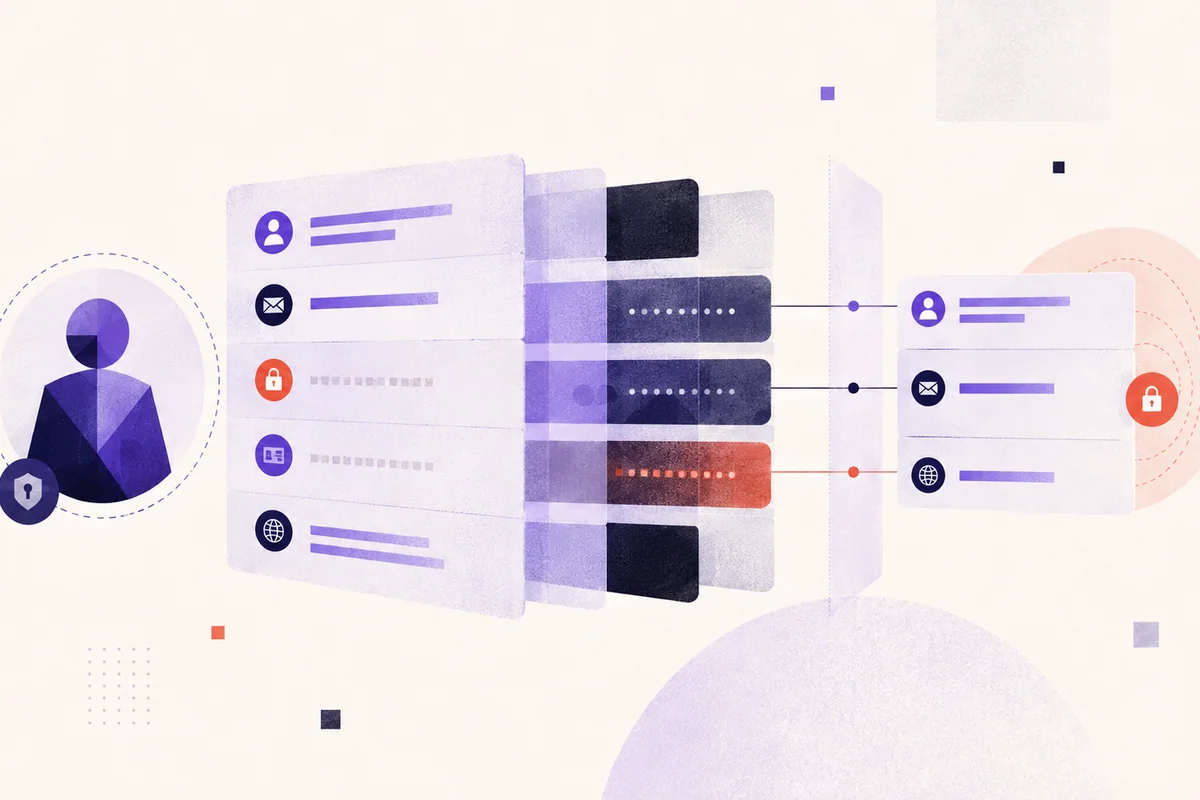
More metadata can improve trust while simultaneously revealing internal capabilities, topology, and sensitive operations.
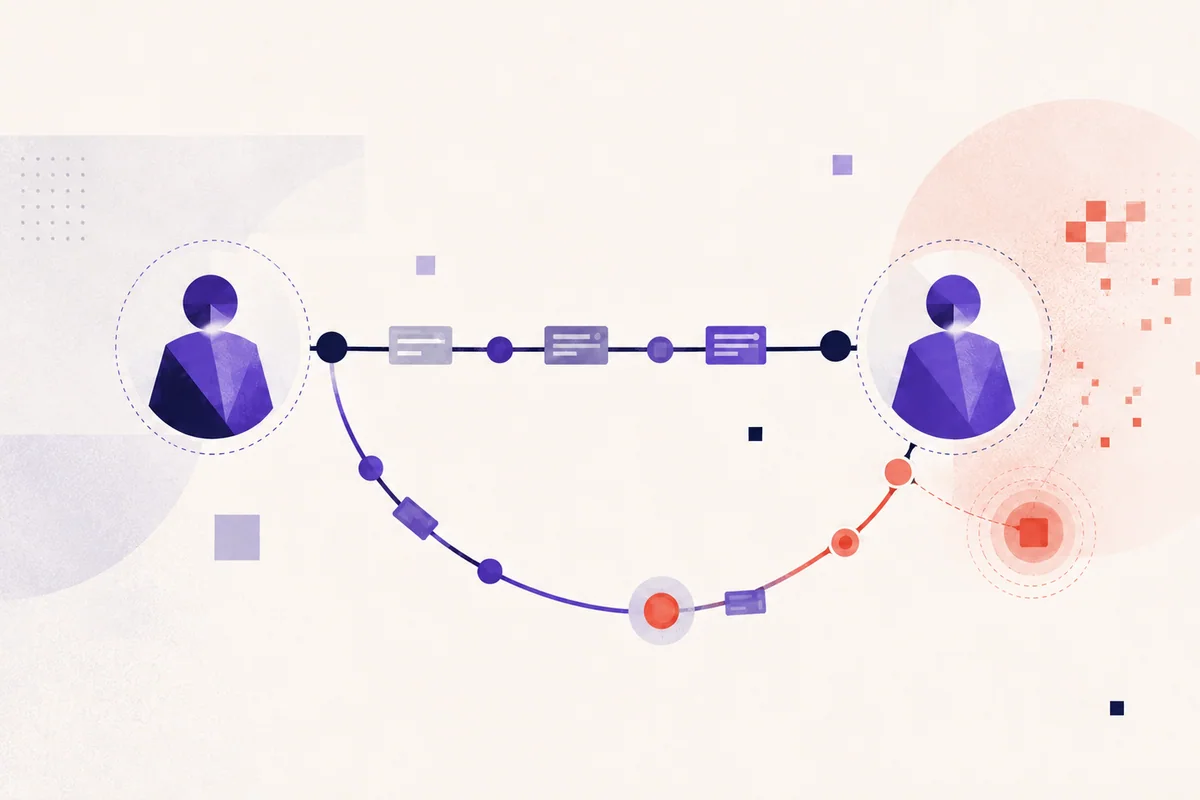
Asynchronous task updates can cross time, network, and credential boundaries that differ from the original request path.
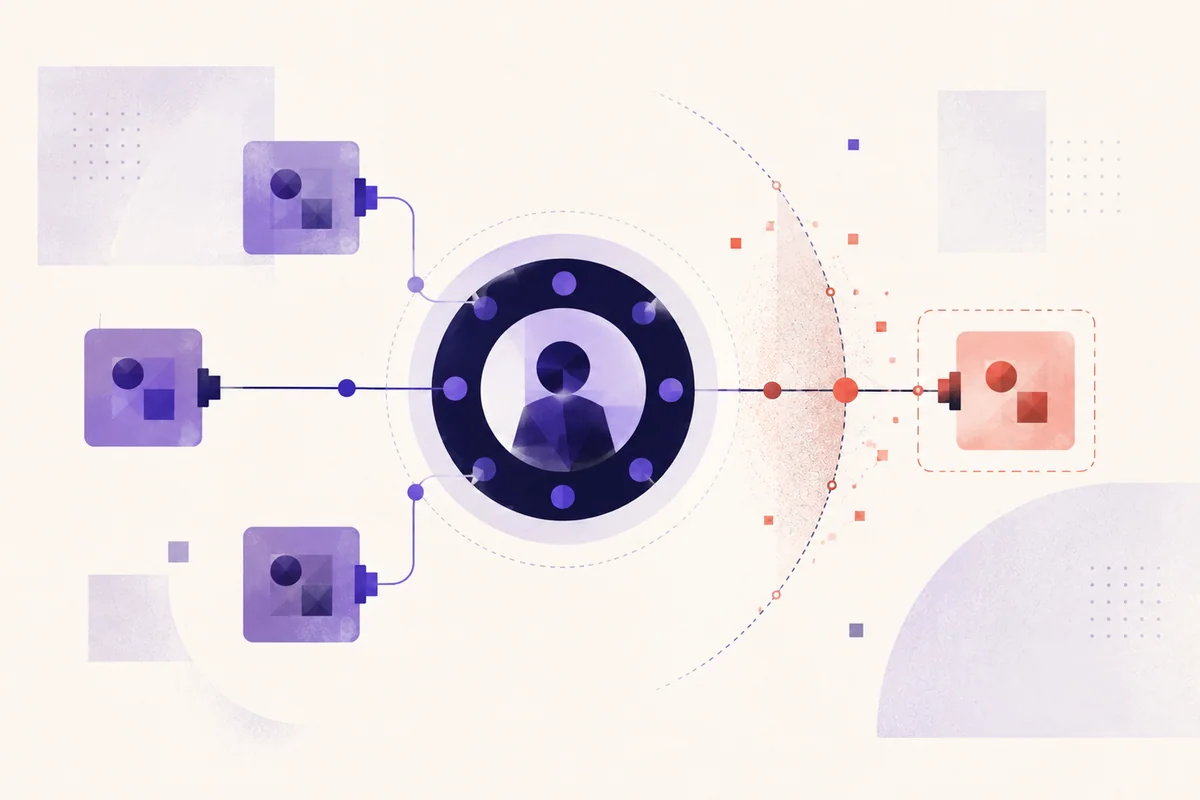
Extensions preserve interoperability only when their semantics, ownership, and failure behavior remain understandable.
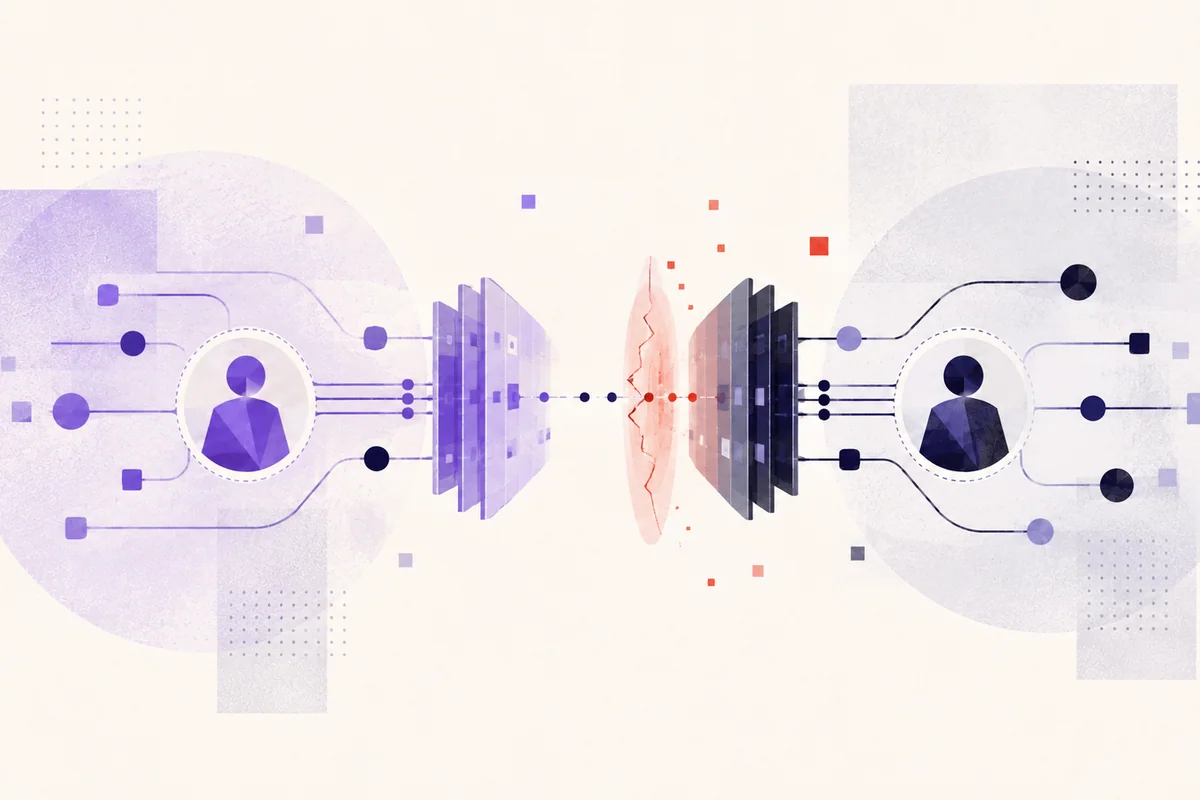
Backward compatibility can preserve connectivity while removing the controls a newer relationship expected.
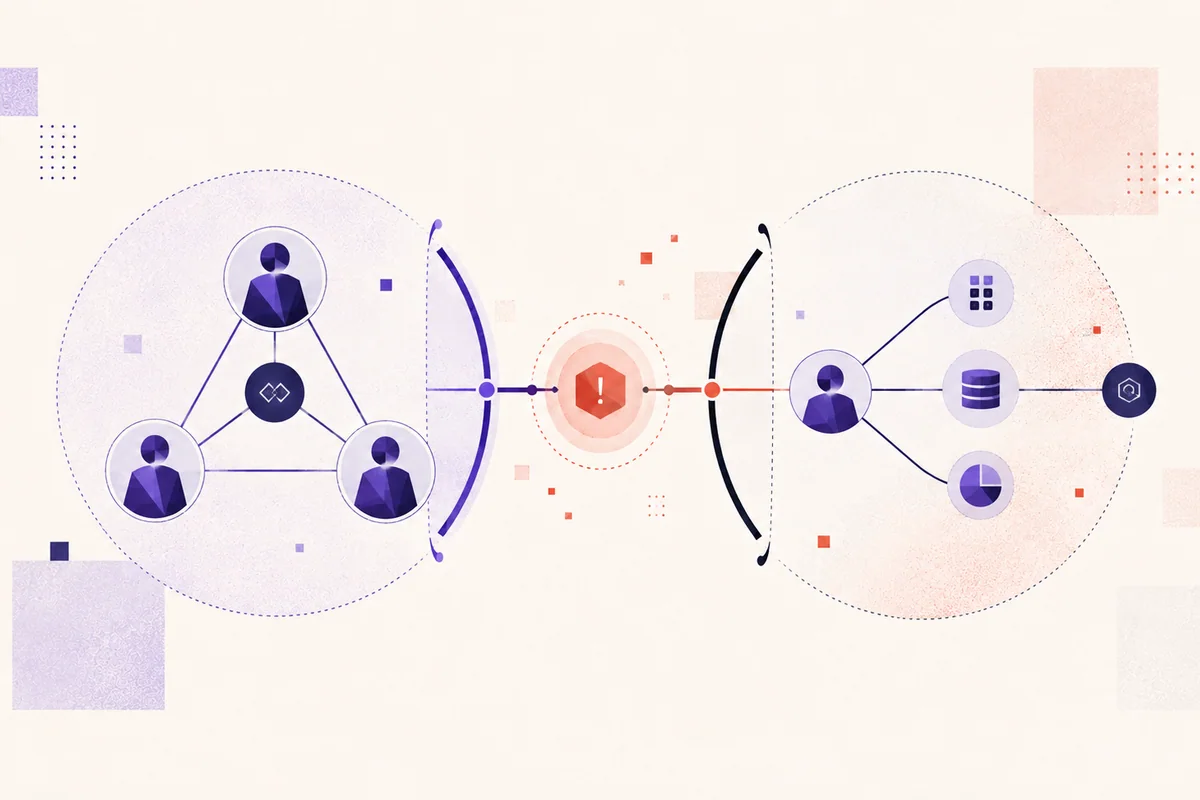
Agent interoperability and tool access solve different problems, so combining them does not create end-to-end trust automatically.