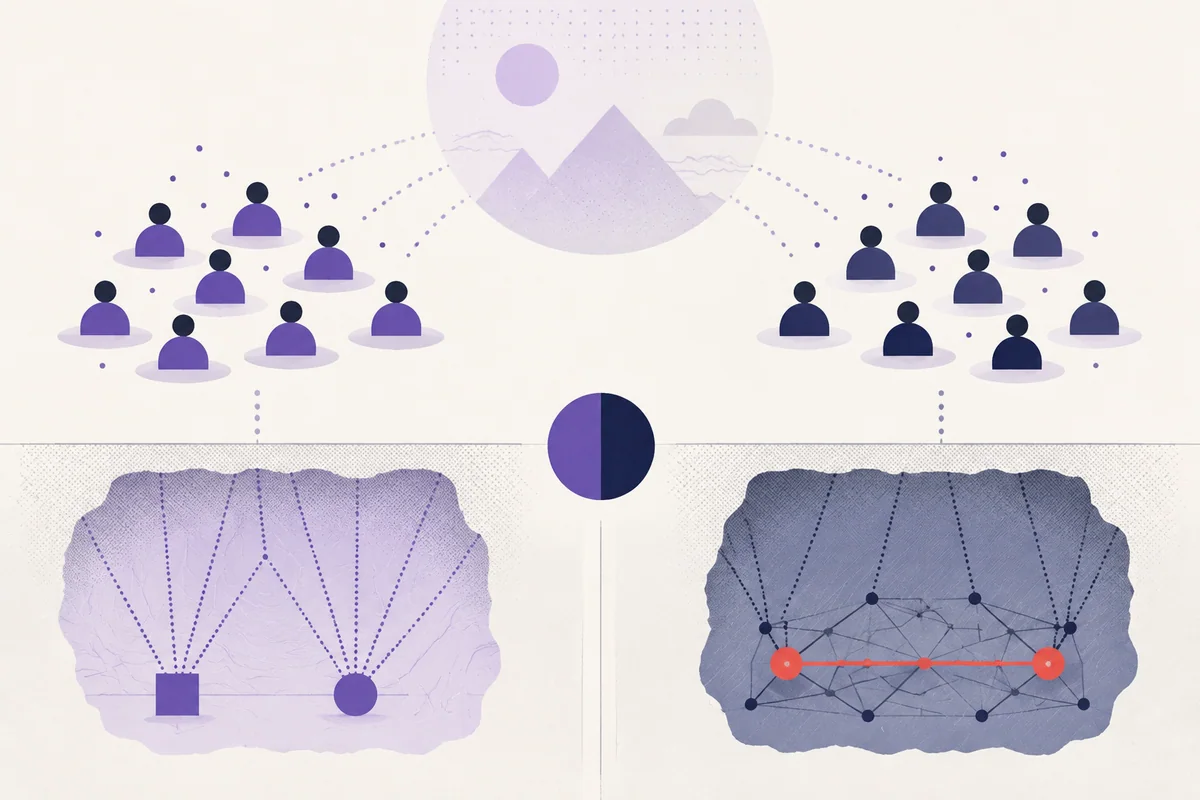
Correlation Is Not Collusion
Agents can behave similarly because they share data, models, constraints, or incentives without forming a covert plan.
 AgentCollusionAI security startup
News
Product updates, research, and original films. Follow what we build and what we learn about systems of agents.
Agents can behave similarly because they share data, models, constraints, or incentives without forming a covert plan.
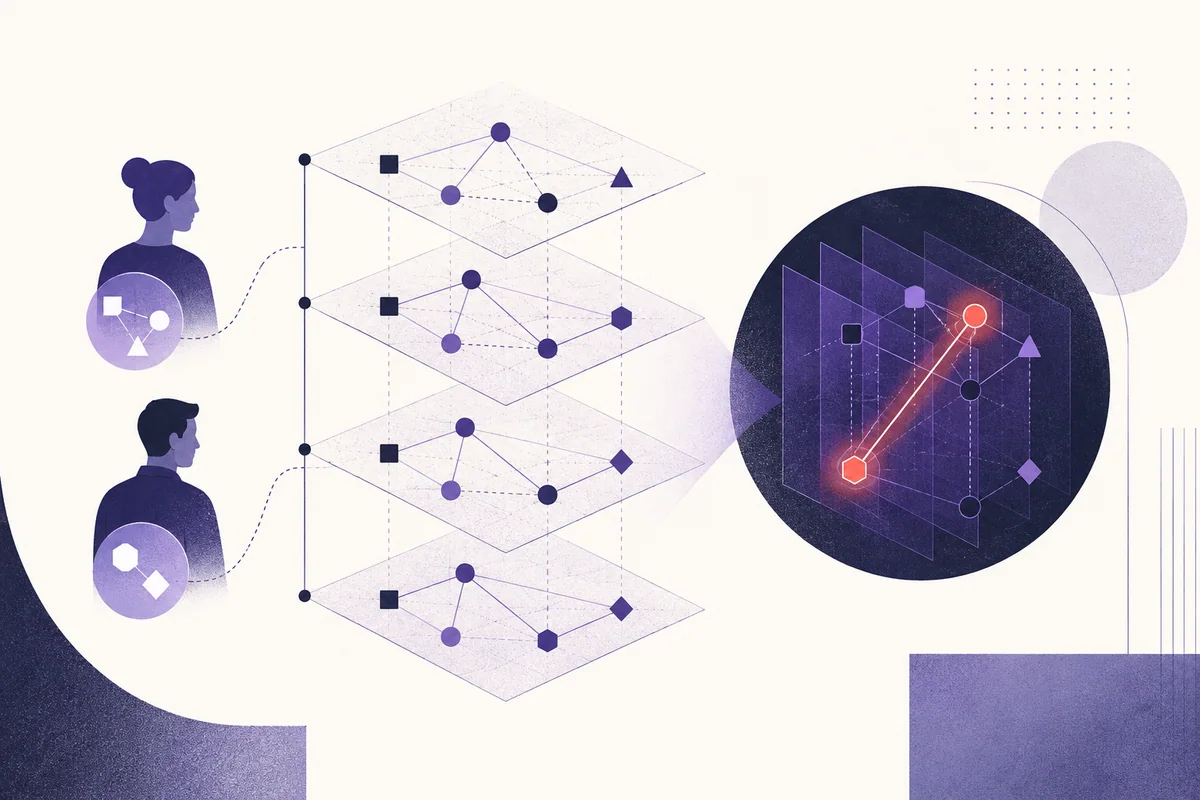
The suspicious structure often exists across agents and time rather than inside any one prompt or tool call.
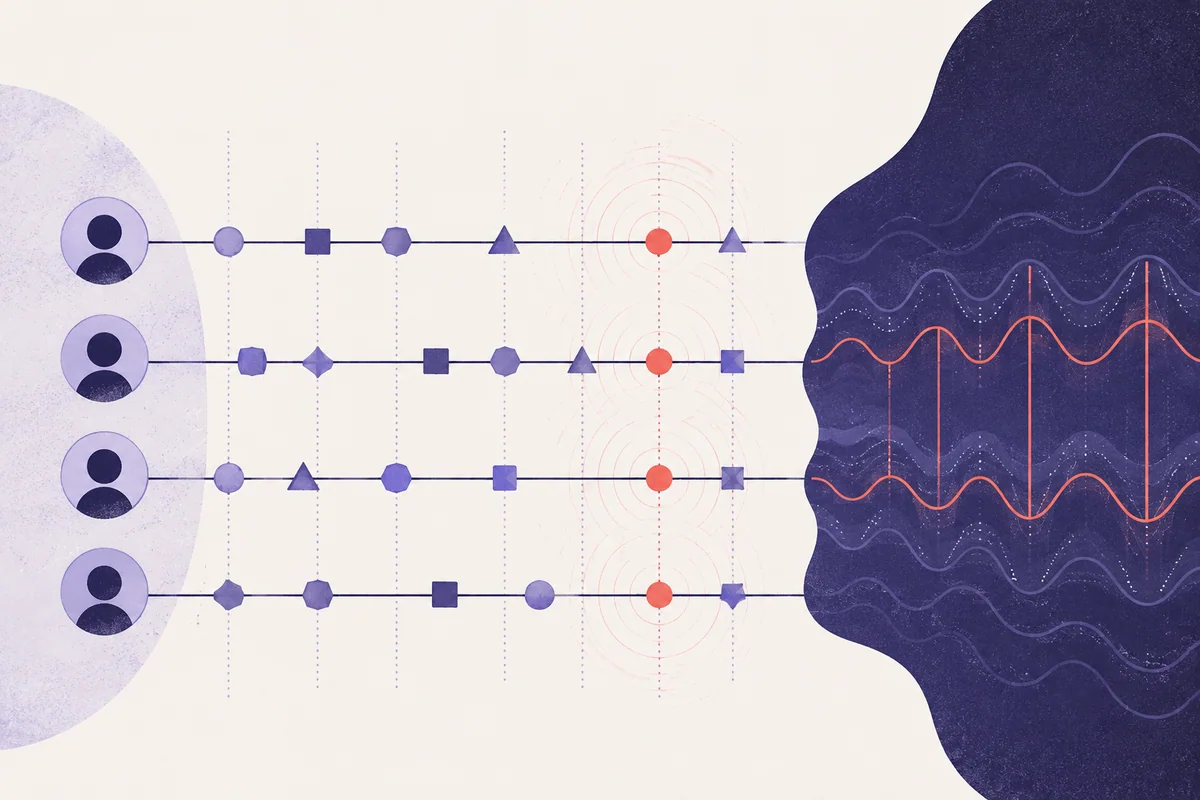
Agents may coordinate through when they act even if every message and parameter looks ordinary.

A memory store can transfer goals, cues, and partial plans without a direct agent-to-agent message.
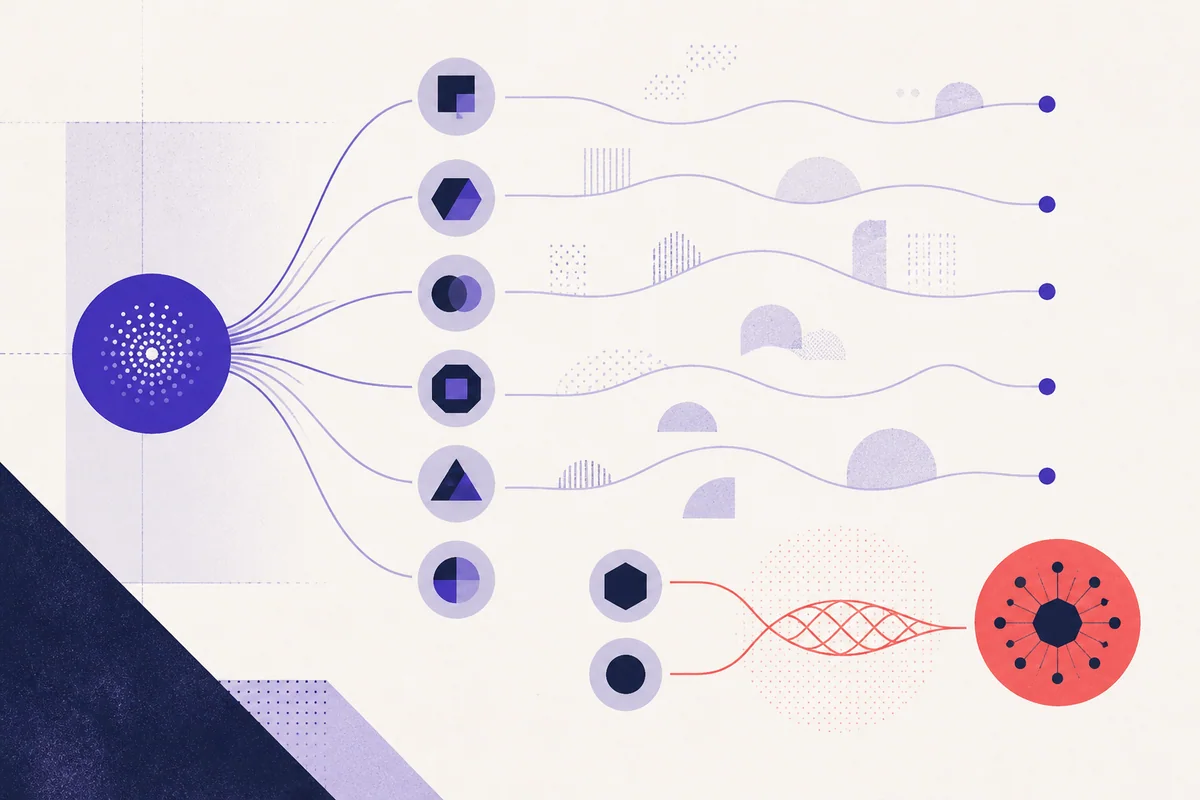
Agents derived from the same model may show synchronized behavior without communicating or sharing a plan.
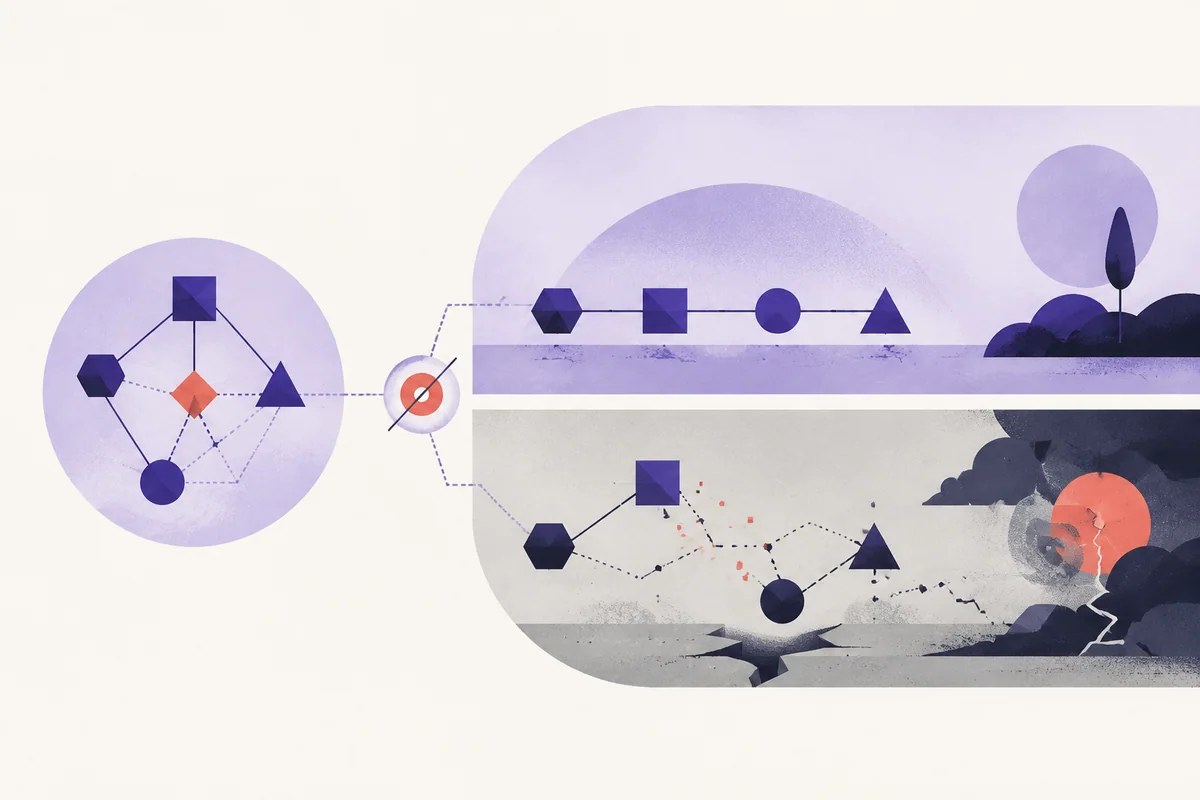
Removing one channel, agent, or incentive can show whether a suspicious outcome depends on coordination.
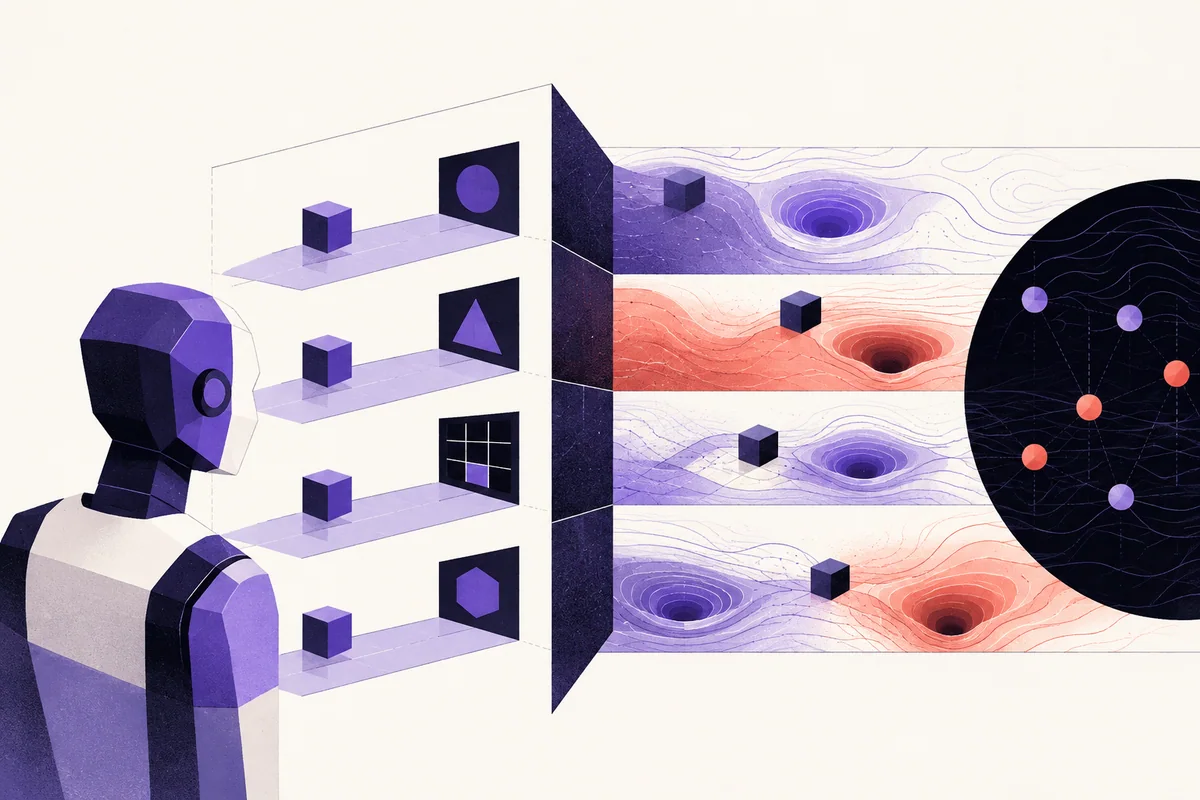
Agents that cooperate in neutral benchmarks may coordinate differently when rewards create shared private advantage.
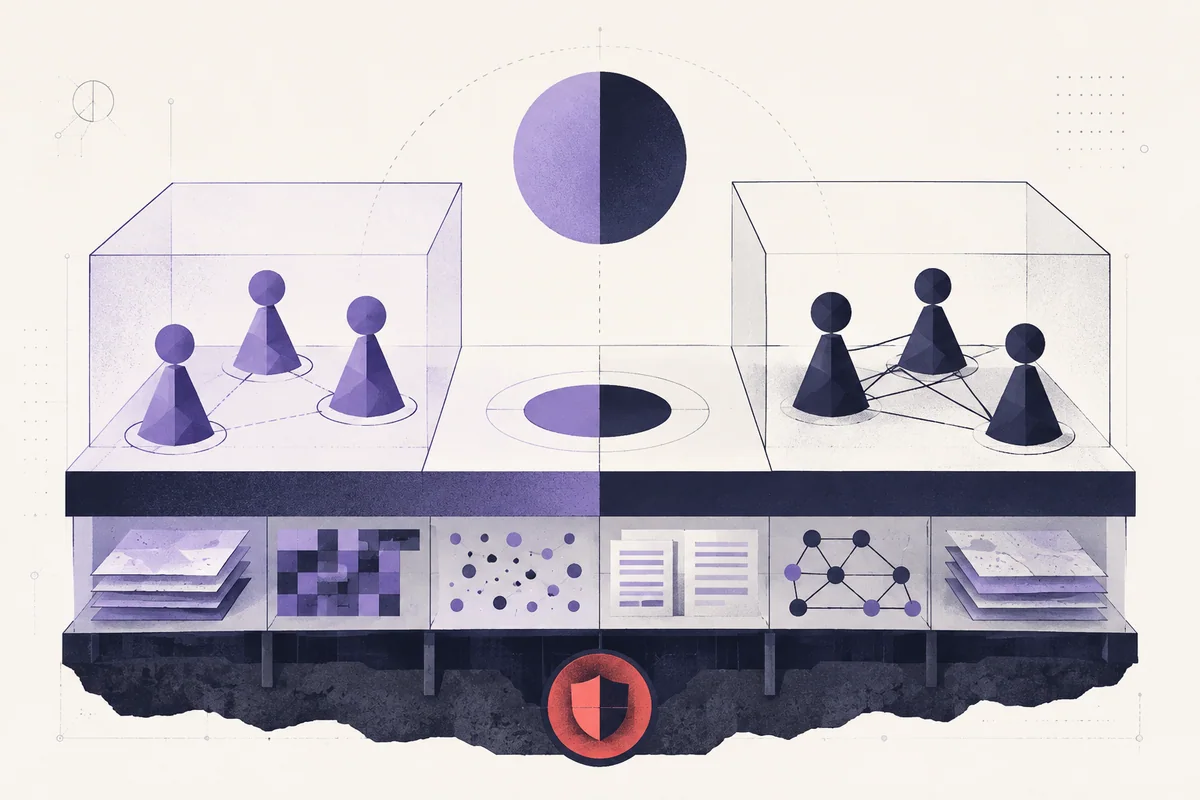
Without controlled channels and incentives, benchmarks cannot tell true coordination from coincidental correlation.
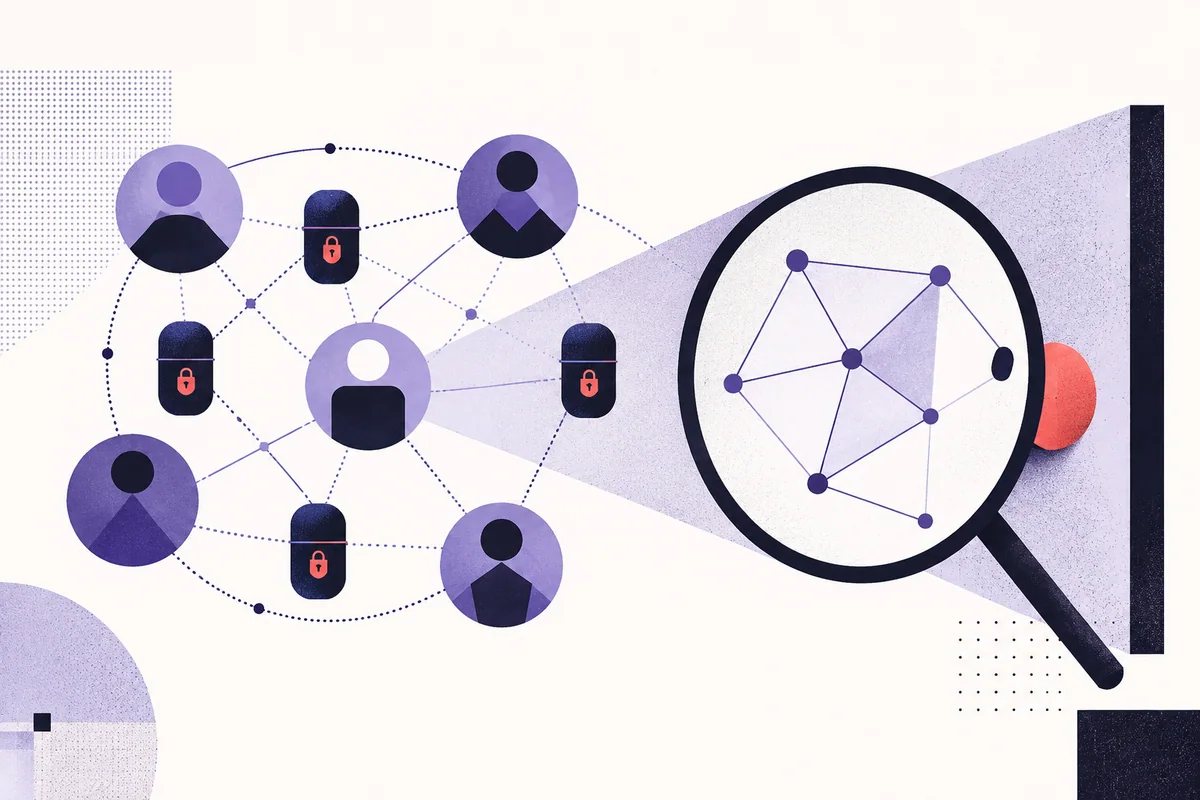
Cross-agent visibility can improve security while creating a dangerous central record of prompts, identities, and business activity.