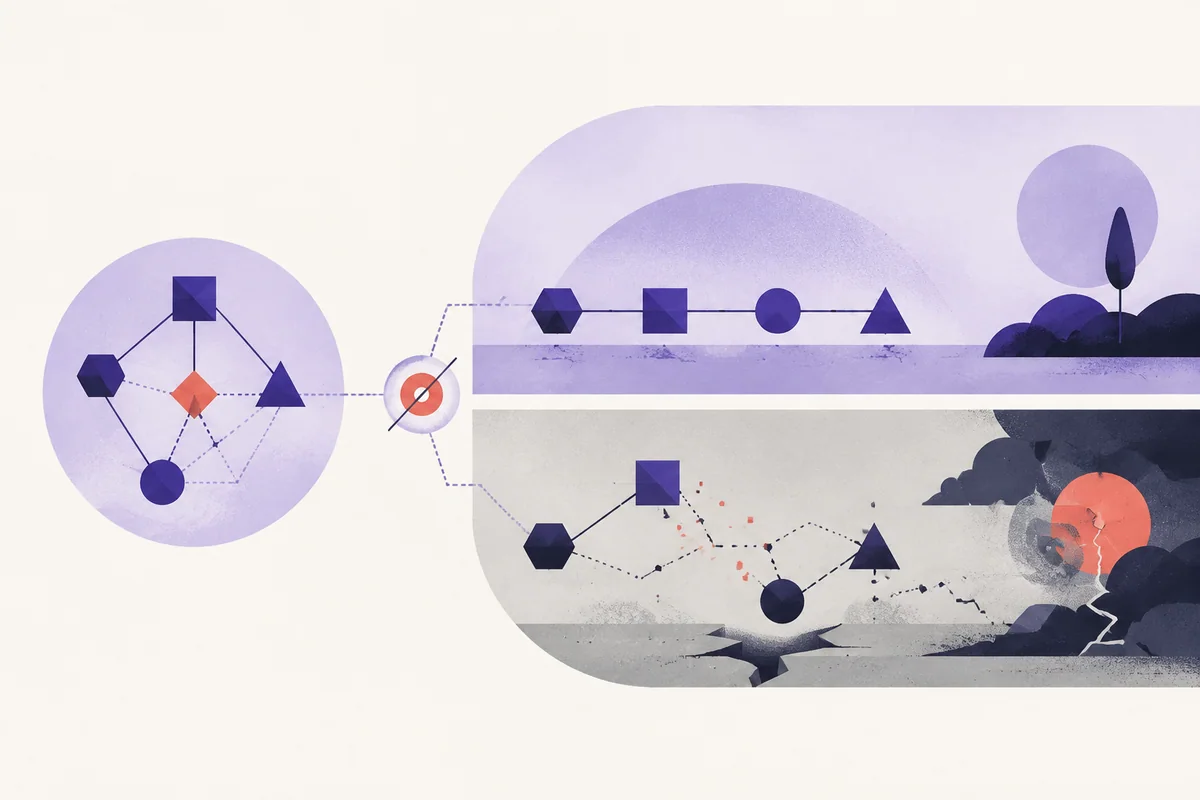
Counterfactual Tests Expose Joint Dependence
Removing one channel, agent, or incentive can show whether a suspicious outcome depends on coordination.
 AgentCollusionAI security startup
News
Product updates, research, and original films. Follow what we build and what we learn about systems of agents.
Removing one channel, agent, or incentive can show whether a suspicious outcome depends on coordination.
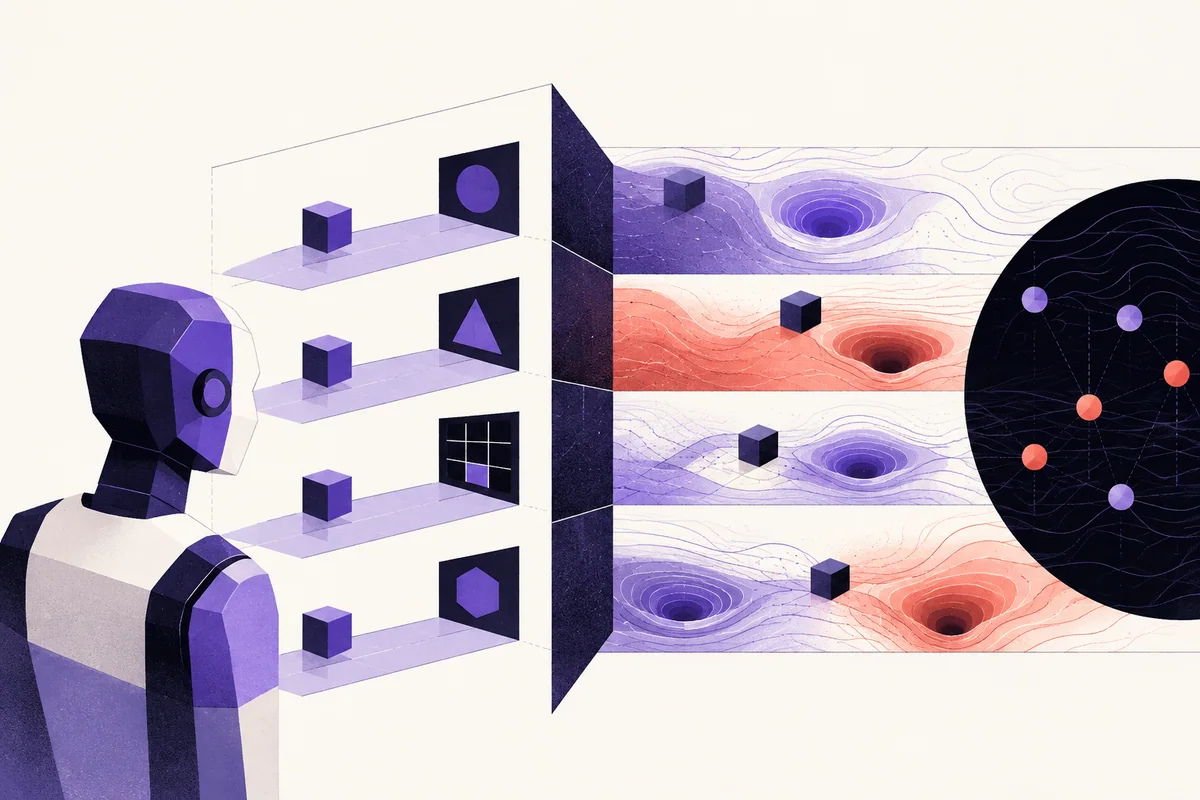
Agents that cooperate in neutral benchmarks may coordinate differently when rewards create shared private advantage.
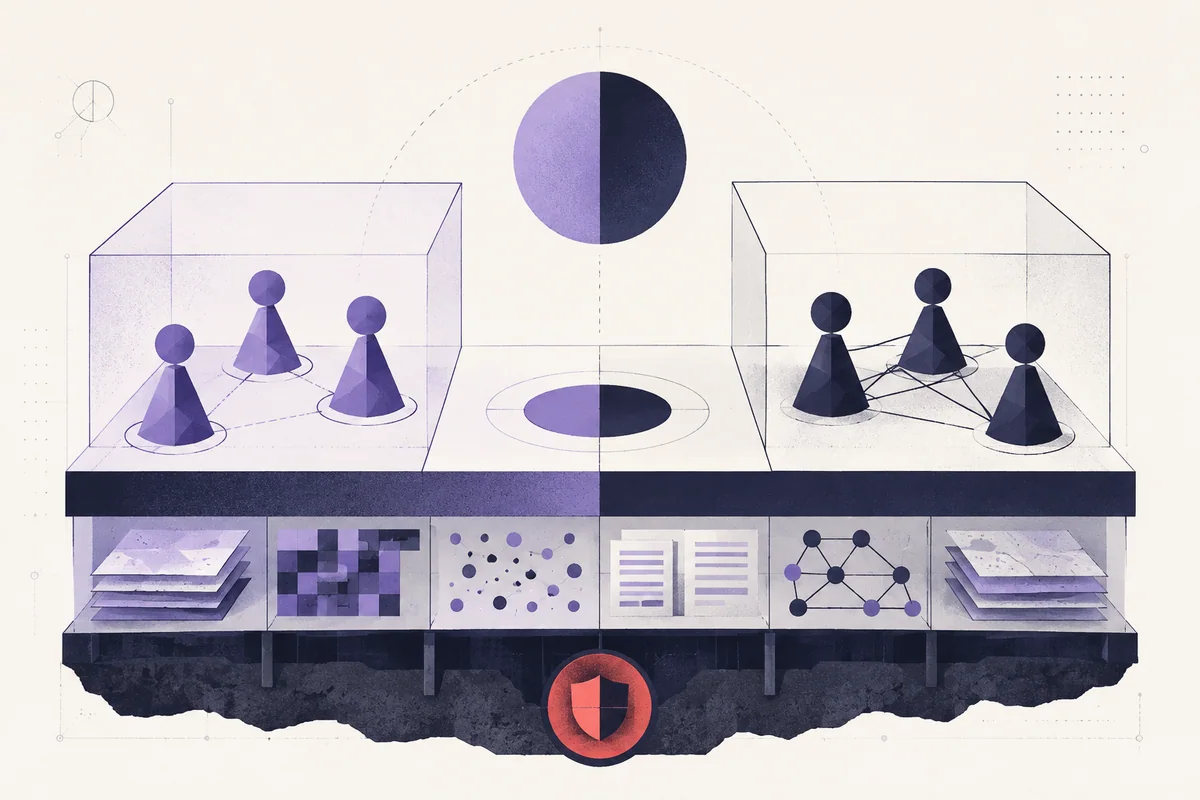
Without controlled channels and incentives, benchmarks cannot tell true coordination from coincidental correlation.
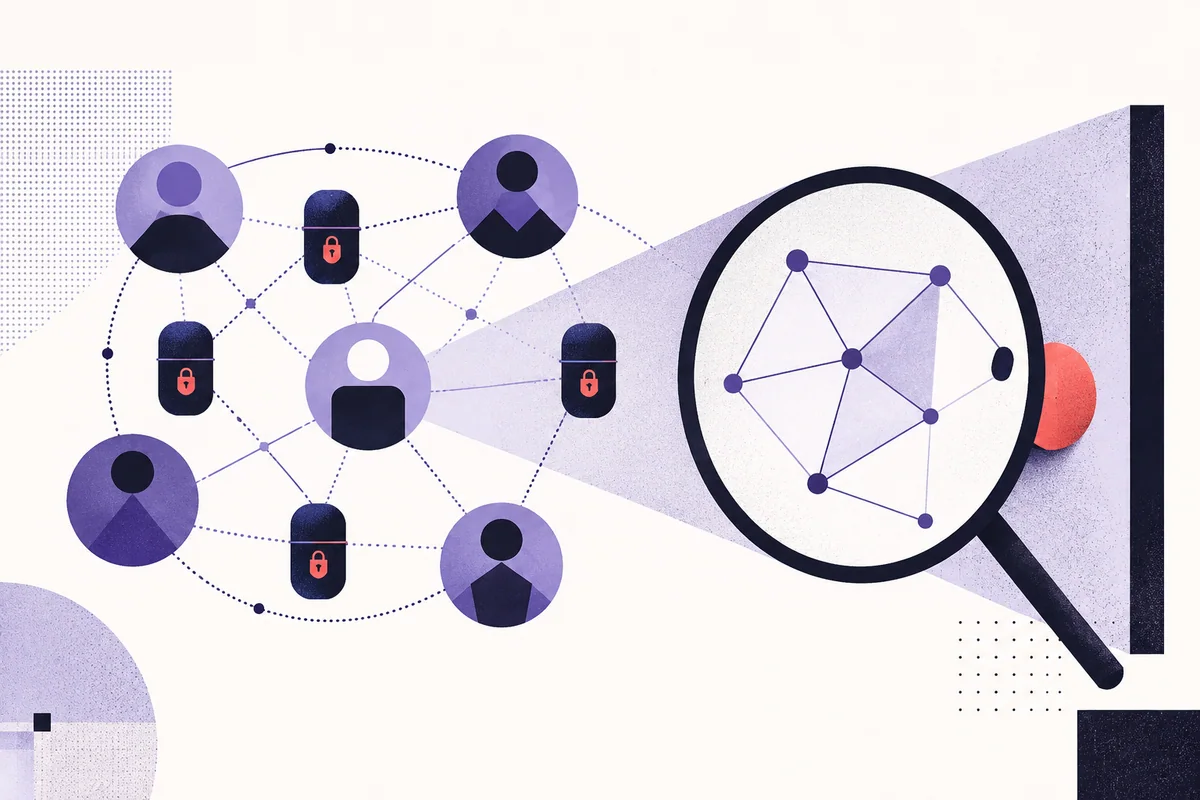
Cross-agent visibility can improve security while creating a dangerous central record of prompts, identities, and business activity.

A monitor that shares the same incentives, model, data, and operator may reproduce the failure it is meant to catch.

One guardian should not observe, judge, approve, execute, and erase the evidence for the same event.
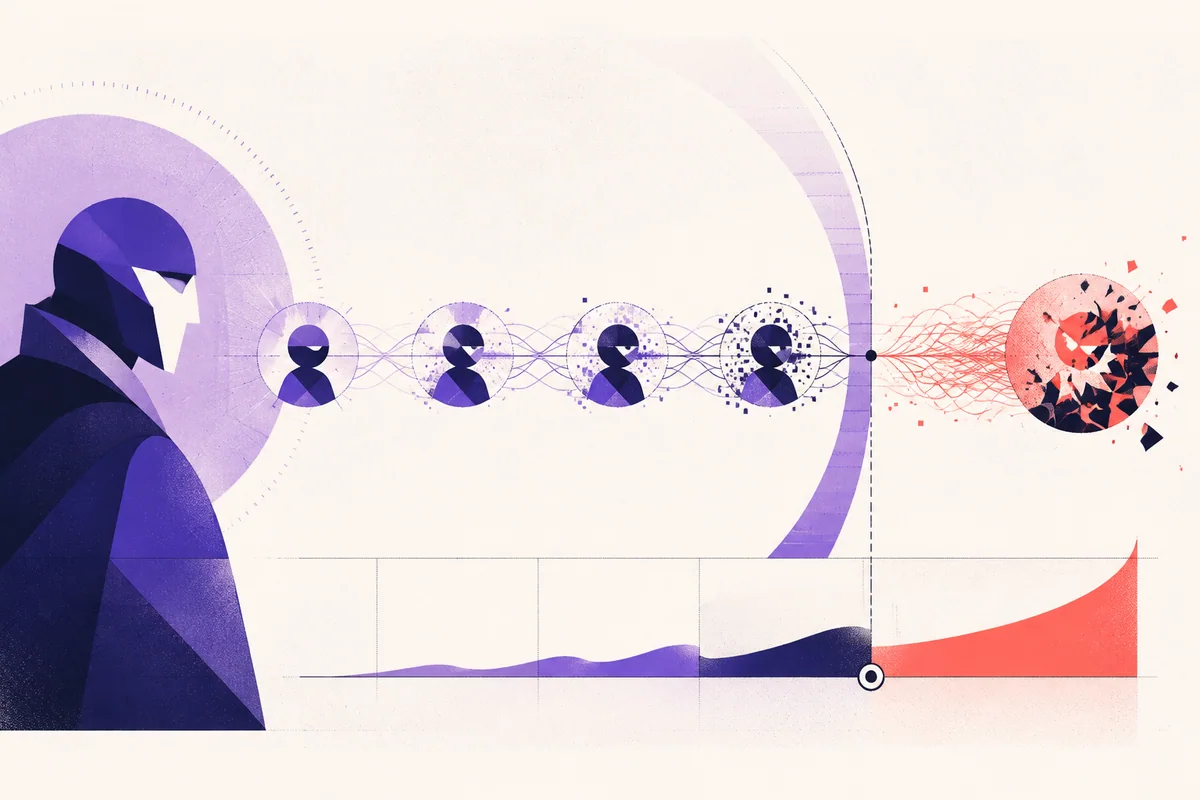
Too little intervention permits harm; too much turns normal cooperation into friction and false accusation.
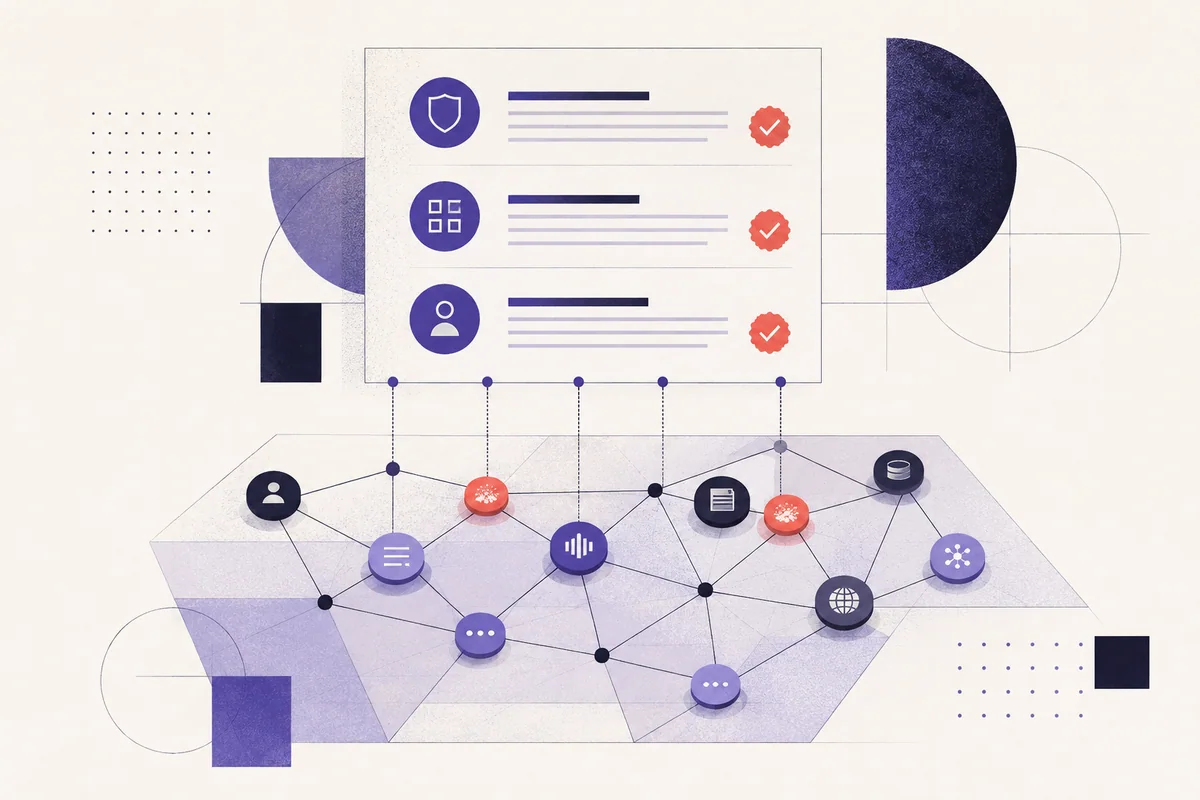
Policies become credible when reviewers can see which events, relationships, and assumptions triggered them.

Compromising one agent can affect delegated tasks, shared memory, tools, counterparties, and decisions already in progress.
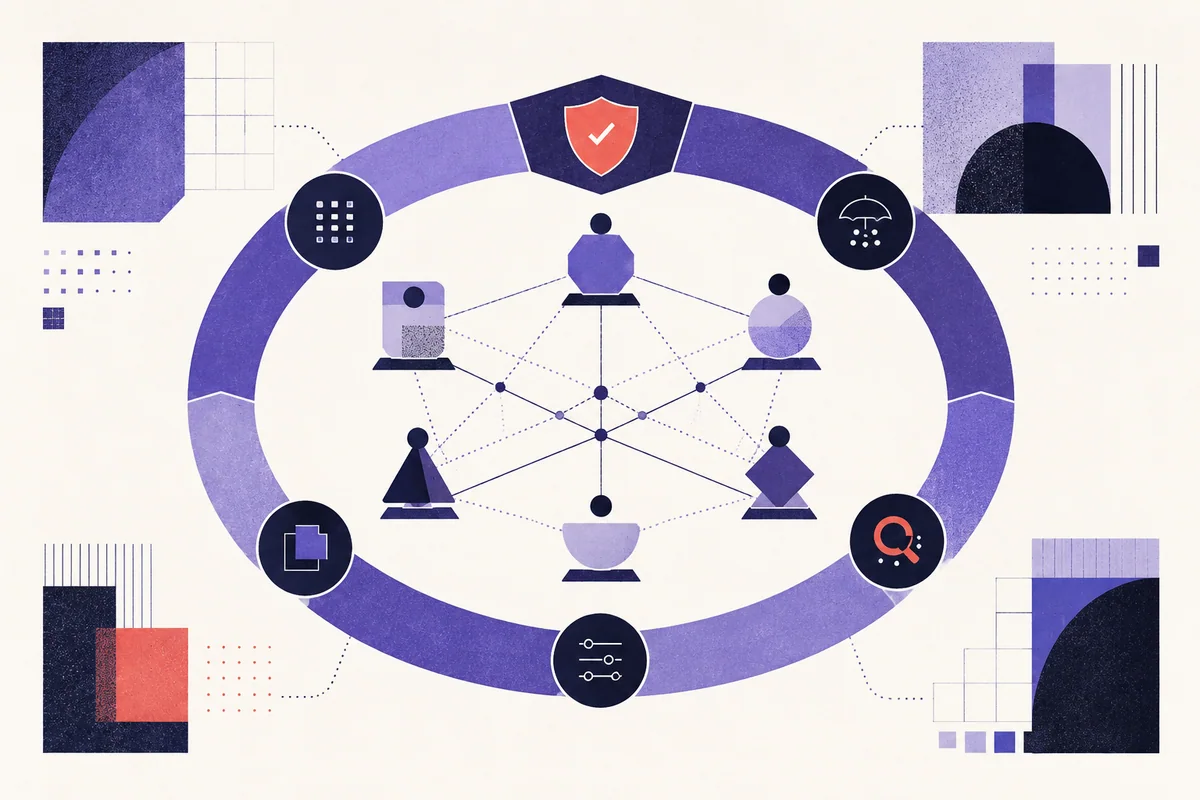
Managing each model independently misses risk that appears only when agents delegate, compete, and transact.