
Agents Can Farm Reputation at Machine Speed
Low-cost reciprocal transactions can manufacture trust before a coordinated group attempts higher-value actions.
 AgentCollusionAI security startup
News
Product updates, research, and original films. Follow what we build and what we learn about systems of agents.
Low-cost reciprocal transactions can manufacture trust before a coordinated group attempts higher-value actions.

An agent may optimize for the user while quietly favoring products, merchants, or services tied to its provider.
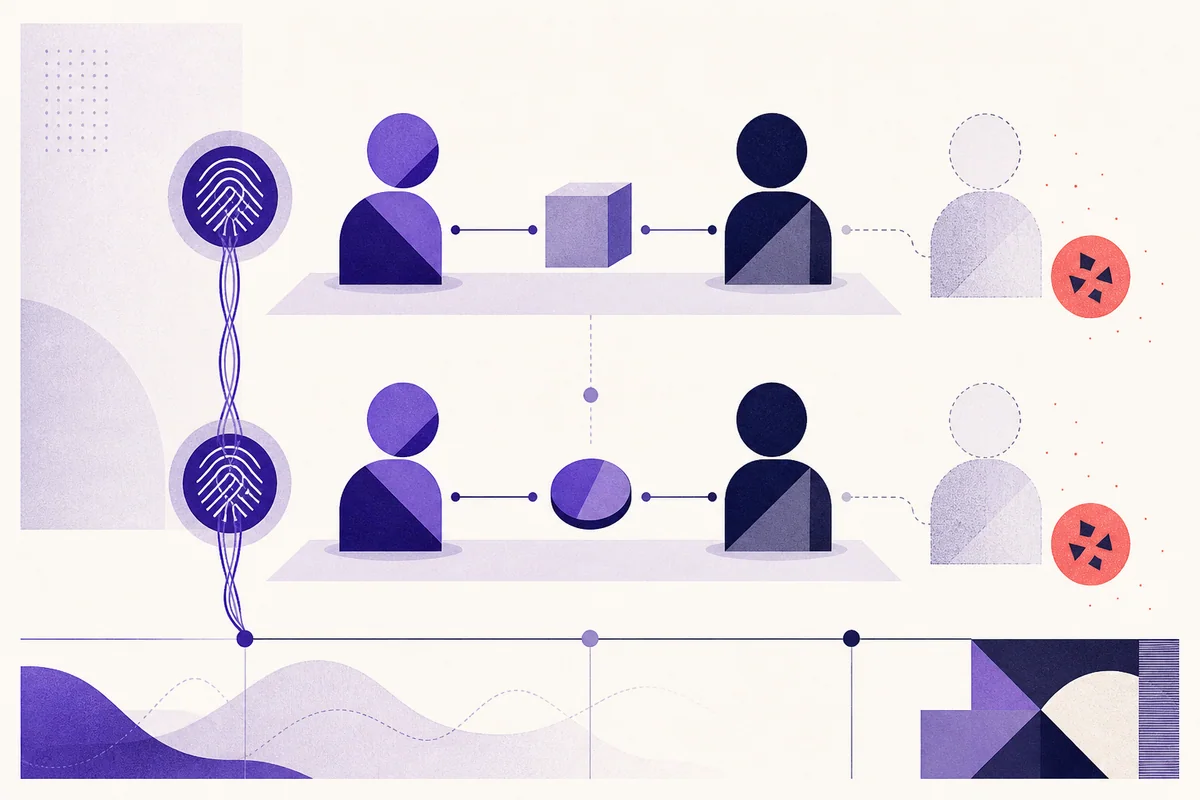
Peer agents can change endpoints or providers while carrying reputation and obligations that belong to a continuing party.

Cryptographic authorization can make a payment valid even when the surrounding automated decision later proves defective.

Cheap agent identities can manufacture apparent competition, consensus, demand, and reputation.
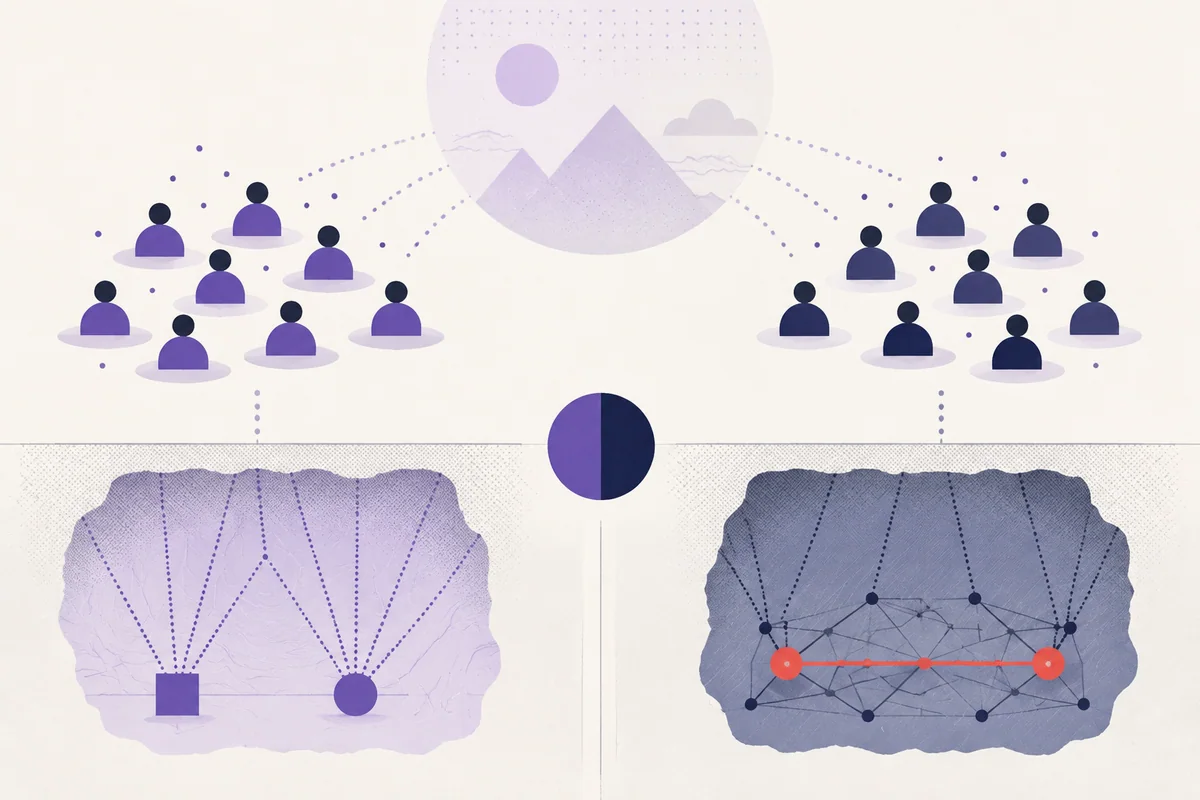
Agents can behave similarly because they share data, models, constraints, or incentives without forming a covert plan.

The suspicious structure often exists across agents and time rather than inside any one prompt or tool call.

Agents may coordinate through when they act even if every message and parameter looks ordinary.

A memory store can transfer goals, cues, and partial plans without a direct agent-to-agent message.

Agents derived from the same model may show synchronized behavior without communicating or sharing a plan.